Best Time to Sell a Car in Youngstown, Ohio: Expert Q&A
In Northeast Ohio, the absolute best time to sell a car is during the spring thaw from March through May, when tax refund season drives peak buyer demand and yields prices 4% to 6% higher than annual averages. To break down seasonal trends, trade-in tax advantages, and vehicle preparation, we spoke with Andrew Wilding, Customer Relations Manager at Ken Ganley Buying Center Boardman, who brings 14 years of automotive appraisal expertise to local car owners.
Q: When is the best time to sell a car in Youngstown, Ohio, and what key factors shape that timing?
A: The strongest window to sell or trade in a vehicle across Youngstown runs from late March through May. During these spring months, federal tax refunds hit bank accounts, which creates a surge of motivated buyers looking for reliable transportation. Data confirms that used car values in our region reach a yearly high in April, sitting roughly above winter baselines. Buyers who waited out the harsh winter weather head back out to shop, giving sellers maximum leverage and faster transaction times.
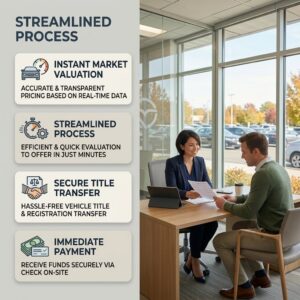
When clients ask me how to maximize their cash offer, I focus on three core talking points: capitalizing on spring tax-refund demand, timing seasonal inventory spikes like pre-winter SUV demand, and taking advantage of state tax credits while avoiding unnecessary reconditioning costs. Selling just before hitting major odometer milestones like 100,000 miles also prevents steep depreciation drops. If you want an immediate valuation with a straightforward process, you can visit our Boardman buying center location on Market Street or connect directly with our team by giving us a quick call at (330) 427-3656.
Q: Andrew, why do SUVs and AWD vehicles command higher resale offers right before winter?
A: Demand for all-wheel drive vehicles and crossover SUVs shifts dramatically as weather conditions change in Northeast Ohio. Between September and November, local shoppers actively seek out secondary vehicles or family commuters capable of handling snow, ice, and slush. That seasonal influx of buyers increases competition, pushing wholesale values up 5% to 7% higher for winter-ready models compared to mid-summer pricing.
Sellers holding late-model all-wheel drive crossovers benefit from listing right before winter arrives rather than waiting until spring. While sedans and rear-wheel drive sports cars perform best during spring tax refund season, all-wheel drive platforms hold peak value during autumn. If you are preparing to upgrade before winter roads set in, reviewing the complete process for selling your vehicle in Ohio makes the transition seamless. We actively build our pre-owned stock heading into the cold months, so sellers can check our current inventory of pre-owned vehicles to see how high buyer demand is for well-maintained crossovers.
Q: Should car owners fix cosmetic dents or bumper scratches before trading in their vehicle?
A: In almost every scenario, spending money out of pocket on minor bodywork or paint repairs before trading in your car does not yield a positive return on investment. Professional body shop painting and bumper refinishing can easily cost hundreds or thousands of dollars, whereas dealership appraisal software factors minor cosmetic imperfections into standard reconditioning costs at wholesale rates. Minor door dings, light scratches, and normal wear and tear do not reduce your trade-in offer as much as the retail repair bill would cost you.
“Spending thousands on cosmetic paint repairs before trading in your vehicle rarely returns a dollar-for-dollar value at appraisal time.”
What matters far more to an appraiser is mechanical health, up-to-date maintenance records, clean titles, and complete key fobs. Ensuring your vehicle has working brakes, solid tires, and completed oil services provides a much better return than chasing small scratches. When comparing national buyers to a local vehicle buying center, local appraisers evaluate your car holistically in person rather than using algorithmic blanket deductions for tiny cosmetic flaws.
Q: What are the main risks and challenges of selling a used car privately in Ohio?
A: Selling a vehicle privately in Ohio comes with administrative hassles and safety risks that many sellers underestimate. Managing title transfers, verifying cashier’s checks or cash payments, and accommodating stranger test drives at your home introduce liability. Furthermore, private buyers frequently ghost sellers, haggle aggressively, or delay payment processing, which extends the time your vehicle sits unsold.
In Ohio, a private sale also requires formal notarization of the vehicle title and full legal responsibility if title paperwork contains errors. Working directly with a licensed buying center removes payment security risks and finishes the entire transaction on the same day. We handle title transfers, lender payoffs, and immediate disbursement so sellers avoid private listing delays.
Q: How does Ohio’s trade-in sales tax credit help offset dealership purchase offers?
A: Ohio tax law allows car buyers to pay state and county sales tax only on the net difference between their new vehicle’s purchase price and their trade-in allowance. In Mahoning County, where the combined sales tax rate is 7.25%, trading in a vehicle valued at $15,000 saves you $1,087.50 directly in state sales tax when purchasing your next vehicle.
That tax credit bridges the gap between private listing prices and trade-in offers without any of the selling overhead. When you factor in saved private advertising costs, time, and tax savings, trading in at a dealership often yields an equal or higher net financial return. Car owners can visit our showroom at 7871 Market St or get immediate answers regarding tax savings by reaching out to our appraisal team at (330) 427-3656.
Q: Andrew, is five years old truly the sweet spot for selling a car, and what should local owners do next?
A: Reaching the five-year mark is historically the ideal sweet spot for selling or trading in a purchased vehicle. At five years, most owners have paid off or substantially amortized their auto loan while the car still retains strong market value before major mechanical repairs become necessary. Odometer readings around this time usually stay under crucial thresholds like 60,000 miles or 75,000 miles, keeping the vehicle highly attractive for pre-owned buyers.
If your car is approaching that five-year window or you want to capitalize on peak spring resale demand in Boardman Township, your next step is gathering your vehicle title, maintenance records, and current payoff statement. Bringing those documents to our team allows us to complete a quick, transparent appraisal and provide a competitive cash offer.
© 2026 Ken Ganley Buying Center Boardman. All rights reserved.
While every effort has been made to ensure the accuracy of the information displayed on this website, the vehicle values, offers, and listings shown may not reflect all accurate vehicle details or current market conditions. Vehicle photos may be representative only and may not match the actual vehicle. All offers, appraisals, and transactions are subject to vehicle inspection, verification, and prior sale. Final purchase amounts may vary based on condition, equipment, history, and market factors. Please contact the Dealership for complete details and confirmation.