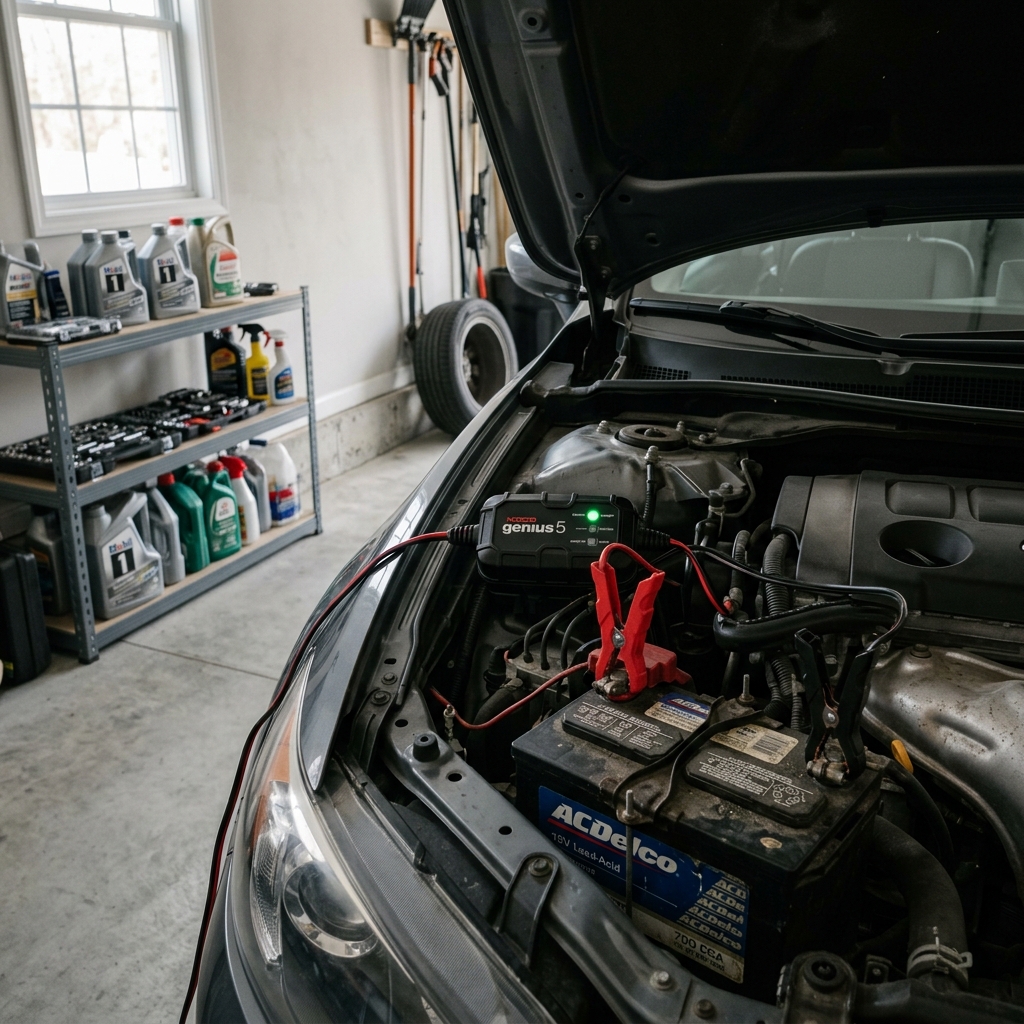
Maintaining a vehicle in long-term storage requires changing the oil, topping off all fluids, inflating the tires to recommended pressures, adding fuel stabilizer to a full gas tank, connecting a battery tender, and storing the car in a dry, covered space. Doing so prevents fluid breakdown, seal degradation, and electrical drain during extended idle periods.
Proper preparation protects key mechanical components when a vehicle sits unused for months. Fresh engine oil removes acidic contaminants that accumulate during regular driving, preventing internal corrosion. Filling the fuel tank completely reduces the volume of air inside, which limits moisture condensation and prevents fuel system rust. Adding a quality fuel stabilizer keeps gas from breaking down and forming varnish inside fuel lines, injectors, and carburetors over time.
Battery maintenance and tire protection require equal attention. Automotive batteries lose charge continuously when idle, and deep discharging permanently damages internal plates. Attaching an automatic smart tender keeps the charge optimal without overcharging. To protect tires from flat spotting caused by constant weight on one section of rubber, inflate them to the upper range of recommended inflation or place the vehicle on storage blocks. For specific maintenance checks or storage advice before parking a spare vehicle.
Table of Contents
- What Happens to an Unused Engine and How Often Should You Drive It?
- Do You Need Car Insurance and Maintenance Prep for an Unused Vehicle?
- How Can Professional Maintenance Help You Decide Whether to Keep or Sell an Extra Car?
- Common Questions About Storing and Maintaining an Extra Vehicle
- Keeping Your Extra Vehicle Reliable with Ken Ganley Buying Center Boardman
What Happens to an Unused Engine and How Often Should You Drive It?
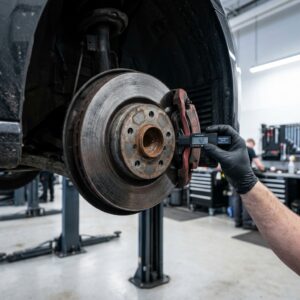
A stored vehicle should be started and driven for 15 to 20 minutes every two to three weeks to reach full operating temperature. Leaving an engine idle for months causes oil to drain back into the oil pan, exposing internal components to air, drying out rubber seals, discharging the battery, and rusting brake rotors.
When an engine sits motionless, protective oil films gradually drip off cylinder walls, camshaft lobes, and bearings. Starting an engine that has sat idle for prolonged periods generates elevated friction until oil pressure builds, accelerating internal engine wear. Additionally, moisture generated by combustion condenses inside cold exhaust systems and engine blocks. Sitting idle also allows fuel inside injectors and fuel lines to oxidize, turning into a sticky residue that clogs precision orifices.
Exercising the vehicle under actual driving conditions addresses these mechanical vulnerabilities simultaneously. Drive the car long enough for the engine coolant and oil to reach complete operating temperature, which burns off accumulated crankcase condensation. Rolling exercise cycles the transmission gears, circulates power steering and brake fluids, lubricates air conditioning compressor seals, and scrubs light surface rust off iron brake rotors. Commuters who drop off an extra family car for a storage health check usually ask whether idling in the driveway is enough; driving the car under actual road load is necessary to warm the transmission and clear condensation.
Do You Need Car Insurance and Maintenance Prep for an Unused Vehicle?
Maintaining comprehensive insurance coverage on a stored vehicle remains essential to protect against theft, fire, vandalism, falling debris, and weather damage, even if road liability coverage is reduced. Physical maintenance preparation requires thorough interior and exterior cleaning, fluid checks, belt inspections, and pest mitigation before parking the vehicle long-term.
Lifting road liability insurance when a car is parked on private property can lower recurring monthly ownership costs, but dropping comprehensive protection leaves the asset entirely exposed. Tree branches, garage fires, electrical short circuits, or storm damage can destroy an idle automobile regardless of whether it is being driven. Insurers frequently offer dedicated storage policies that preserve comprehensive protection while pausing liability and collision coverage until the car returns to the road.
Physical vehicle prep demands equal care to prevent environmental degradation. Thoroughly washing and waxing the exterior removes road salt, dirt, and industrial fallout that etch clearcoat paint. Cleaning the interior eliminates food particles that attract rodents, while placing moisture-absorbing packets inside the cabin helps prevent mold growth. Seasonal moisture and humidity swings along Mill Creek in Youngstown degrade paint, interior fabrics, and exposed metal if left unprotected. Sealing air intake paths and tailpipes with breathable mesh deters pests from building nests inside engine bays or HVAC ductwork.
How Can Professional Maintenance Help You Decide Whether to Keep or Sell an Extra Car?
A comprehensive professional inspection evaluates fluid condition, brake wear, tire health, and engine seals to clarify the exact cost of keeping an extra car operational. Comparing immediate and upcoming repair costs against annual insurance, registration, and storage expenses determines whether retaining a secondary vehicle makes financial sense.
Unused vehicles incur ongoing costs even when parked motionless. Registration renewals, baseline storage insurance, battery replacements, and fluid degradation represent fixed expenses that accumulate regardless of mileage. Over time, rubber components like serpentine belts, suspension bushings, and coolant hoses age and harden due to environmental exposure, requiring eventual replacement even without road stress.
Knowing precisely what services are required to make the car safe and reliable clarifies the total cost of ownership. If the evaluation reveals significant upcoming maintenance bills alongside steady depreciation, liquidating the extra vehicle often proves more practical than maintaining an unused backup.
Common Questions About Storing and Maintaining an Extra Vehicle
Q: Can idling a vehicle in the driveway replace a short highway drive during storage?
Idling in a driveway does not generate sufficient load or temperature to heat the exhaust system and engine oil thoroughly. Short idle periods leave unburned fuel and water condensation trapped in the crankcase and exhaust pipes, accelerating internal corrosion. A 15 to 20-minute drive on open roads allows all mechanical systems, including the transmission, wheel bearings, and brakes, to reach full operating temperature and clear accumulated moisture.
Q: How long does gasoline stay fresh inside a stored vehicle’s fuel tank?
Untreated gasoline begins to oxidize and degrade in 30 to 60 days. As light volatile compounds evaporate, gas forms gummy deposits and varnish that clog fuel injectors, fuel pumps, and filter passages. Adding a quality fuel stabilizer to a full tank immediately before storage extends fuel viability up to 12 months by slowing oxidation and preventing phase separation in ethanol-blended fuels.
Q: Should tire pressure be increased before placing a vehicle into long-term storage?
Inflating tires to the maximum recommended cold pressure listed on the tire sidewall helps prevent flat spots caused by continuous static weight. Tires naturally lose roughly one to two pounds of air pressure per month through rubber permeability and temperature changes. Raising inflation pressure offsets this gradual loss and keeps the tire carcass round during extended parking periods.
Q: Why should engine oil be changed right before long-term storage rather than after?
Used engine oil contains acidic combustion byproducts, moisture, soot, and unburned fuel gathered during normal operation. Leaving dirty oil in an engine for months allows these corrosive acids to settle against metal bearings, crankshaft journals, and cylinder walls. Changing the oil and filter prior to storage coats internal engine surfaces with clean, protective oil and fresh anti-corrosion additives.
Q: How can pests be prevented from damaging wiring in an idle vehicle?
Mice and other small animals frequently build nests in idle engine bays and chew soy-based wiring insulation. To deter pests, clean all food residues from the cabin, spray peppermint oil or commercial rodent repellent around engine perimeters, and block HVAC intake openings and exhaust tailpipes with coarse steel wool or mesh wire.
Keeping Your Extra Vehicle Reliable with Ken Ganley Buying Center Boardman
Deciding how to manage an unneeded extra car starts with understanding its true mechanical condition and maintenance demands. Whether you choose to prepare your secondary automobile for multi-month storage or need an accurate evaluation of its overall health, proper vehicle care prevents costly mechanical failures down the road. Bringing your vehicle in for a fluid inspection, battery health test, and brake check provides clear answers on what is required to keep it dependable.
© 2026 Ken Ganley Buying Center Boardman. All rights reserved.
While every effort has been made to ensure the accuracy of the information displayed on this website, the vehicle values, offers, and listings shown may not reflect all accurate vehicle details or current market conditions. Vehicle photos may be representative only and may not match the actual vehicle. All offers, appraisals, and transactions are subject to vehicle inspection, verification, and prior sale. Final purchase amounts may vary based on condition, equipment, history, and market factors. Please contact the Dealership for complete details and confirmation.