Avoiding Private-Sale Fraud: Derek Gainey Explains Why Boardman Drivers Are Moving to Dealership Sales
Selling a used vehicle privately can take anywhere from three to six weeks of listing, filtering inquiries, and arranging test drives, whereas completing a transaction at a professional dealership typically takes just one to two hours from initial valuation to payment. To understand why local vehicle owners are stepping away from peer-to-peer online listings, we spoke with Derek Gainey, Customer Relations Manager at Ken Ganley Buying Center Boardman, who brings 28 years of automotive experience helping drivers navigate vehicle transactions safely.
Q: How Quickly Can a Seller Complete a Vehicle Sale at a Dealership Compared to a Private Sale?
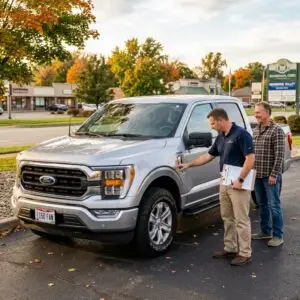
A: Completing a vehicle sale at a licensed dealership usually takes between 60 and 90 minutes. A vehicle owner brings their car in, our team performs a physical inspection and history check, and we issue a firm cash offer that can be processed on the spot. In contrast, listing a vehicle on a peer-to-peer online marketplace routinely requires three to six weeks. That timeline includes taking photographs, writing detailed descriptions, fielding dozens of digital messages, filtering out unserious inquiries, and scheduling evening or weekend meetups with strangers.
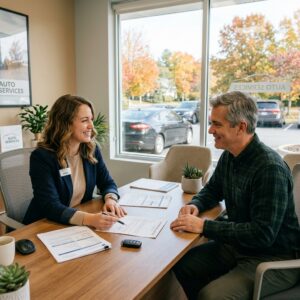
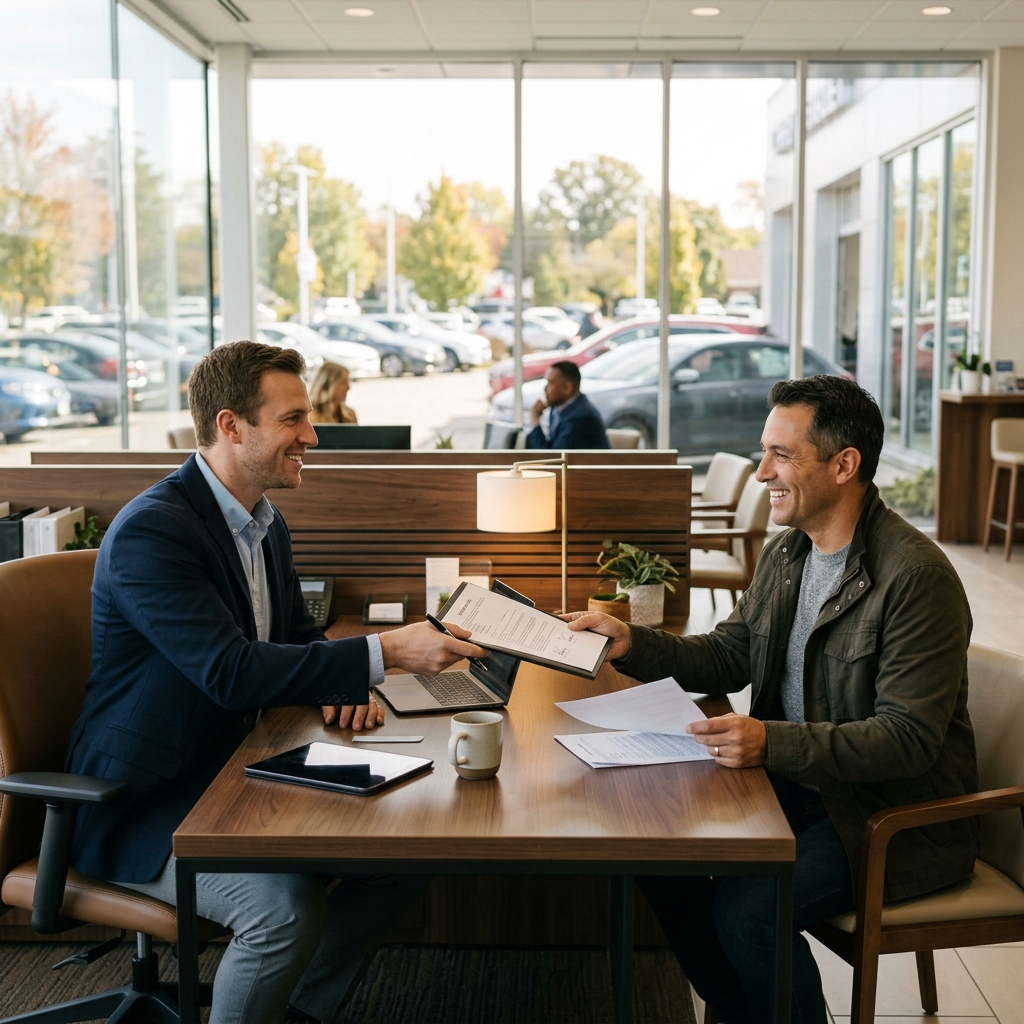
The difference in speed comes down to process efficiency and immediate administrative resolution. In a private sale, even after finding a serious buyer, you must arrange a safe location to meet, clear financing liens independently, verify cashier's checks with issuing financial institutions, and travel to a title office to notarize documents. When you work with us directly at our Boardman showroom location, our business office handles every step of the title transfer and lien payoff immediately, releasing you from ownership liability the moment you sign the final paperwork.
For sellers who still owe money on their existing auto loan, a private sale becomes even more drawn out. A private buyer's lender often hesitates to release funds until the seller's bank provides a clean title, creating a multi-week deadlock. Our staff communicates directly with primary lienholders to calculate exact payoff balances and settle remaining balances directly. Sellers looking for a fast, hassle-free evaluation can give our staff a quick call to discuss necessary documentation before driving over.
Q: Why Are Boardman Car Owners Shifting from Online Marketplaces to Local Dealership Sales?
A: Local vehicle owners are increasingly stepping away from online classifieds due to rising payment fraud, counterfeit certified checks, and security concerns surrounding private meetings. Over the past few years, digital listing platforms have become heavily targeted by sophisticated remote scammers who offer fake payment receipts, insist on third-party escrow services, or request wire transfers before ever viewing the vehicle in person. Navigating those risks requires constant vigilance, which takes the joy and convenience out of selling a car.
Residential neighborhoods throughout Boardman Township offer comfortable suburban living, but hosting unvetted buyers at your personal home or arranging meetups in public parking lots carries inherent personal safety risks. When private sellers agree to test drives, they often face uninsured test drivers or high-pressure negotiation tactics on their own driveway. Choosing a established brick-and-mortar facility eliminates those safety concerns entirely, providing a secure commercial setting where every step of the evaluation is handled professionally.
Financial clarity is another major factor driving this shift. Private buyers often make non-binding verbal offers, only to renegotiate aggressively once they arrive in person or offer personal checks that later bounce. Sellers who prefer transparent pricing and immediate financial resolution often find that comparing national online buyers with a local buying center demonstrates the distinct value of working face-to-face with a neighborhood business that stands behind its offers.
Q: What Are the Common Signs of Title Laundering, Forged VIN Plates, and Fraud in Private Sales?
A: Fraudulent title schemes usually leave distinct physical and paper trails, including missing state security watermarks, erased text on ownership lines, and mismatched identification numbers between the dashboard plate and title documents. Title laundering occurs when a seller illegally transfers a vehicle carrying a branded title—such as salvage, flood, or manufacturer buyback status—across state lines to clean the brand from the official record. Buyers should scrutinize out-of-state titles that show recent, rapid ownership transfers across multiple jurisdictions without clear service history.
"A fraudulent title or tampered VIN plate can turn an online deal into a total legal and financial loss for an unsuspecting buyer."
Altered or forged vehicle identification numbers represent another severe danger in peer-to-peer markets. Criminals sometimes perform VIN cloning by placing a legitimate vehicle identification number over a stolen car's real dash plate or door jamb label, matching it to fake registration papers. Independent consumer guidance from CARFAX and the National Insurance Crime Bureau emphasizes checking that the dashboard VIN, driver door sticker, and physical frame stamp match official history reports exactly. When inspecting a private vehicle, buyers should look for loose rivets, crooked dash alignment, or damaged window glass seals, which indicate that a VIN plate may have been illegally swapped.
Sellers on digital platforms frequently manipulate physical condition reports as well. It is surprisingly easy for dishonest private sellers to edit digital image files of vehicle history reports to mask negative mileage discrepancies or hide prior frame damage claims. Serious buyers must always pull an independent history report using the car's physical VIN rather than relying on a printed paper document supplied by the seller. Daily commuters traveling into nearby Youngstown often rely on these detailed history checks to ensure their pre-owned vehicle can withstand demanding year-round highway travel without hidden mechanical defects.
Q: What Key Consumer-Protection Document Can Buyers Receive from a Dealership but Not a Private Seller?
A: The most critical consumer-protection document provided by a licensed dealership is the official FTC Used Car Rule window disclosure, known formally as the Buyers Guide. Federal regulation under 16 C.F.R. Part 455 requires professional dealers to post this standardized document clearly on every used vehicle offered for sale. Private sellers are completely exempt from this federal requirement, meaning peer-to-peer purchases are almost universally conducted on an informal, unwritten basis where post-sale recourse is non-existent.
The Buyers Guide clearly details the vehicle's coverage status by requiring the dealer to check specific disclosure boxes. The document explicitly outlines whether the vehicle is being sold with As Is — No Dealer Warranty, under Implied Warranties Only, or with an express Warranty. When a dealer provides a written warranty, federal rules mandate that each covered system—such as transmission components, brake assemblies, or air conditioning units—must be explicitly itemized alongside duration terms and the specific percentage of parts and labor costs covered.
Under federal regulations, the Buyers Guide becomes a legally binding component of the final sales contract, and its written terms override any contradictory fine print in the purchase agreement. Commercial dealerships face federal civil penalties up to $53,088 per violation for failing to display or provide this document properly. Private buyers receive no such statutory protection, leaving them fully responsible for expensive mechanical failures that occur hours after taking delivery. Drivers looking to transition out of a private vehicle can start by filling out an online trade-in appraisal form to evaluate their current vehicle's clear commercial market value.
Q: How Does a Professional Trade-In Evaluation Eliminate Payment Fraud and Titling Delays?
A: A professional trade-in evaluation eliminates payment fraud by replacing personal checks, unverified wire transfers, and fraudulent cashier's checks with guaranteed corporate funds. Independent auto consumer protection agencies routinely warn sellers never to hand over a signed title until payment has fully cleared the banking system. Verifying cashier's checks requires calling the issuing bank directly during normal business hours, and confirming wire transfers can take two full business days. A professional buying center bypasses these delays entirely by issuing verified payments backed by established financial institutional banking relationships.
Proper legal title handling is another major advantage of trading in a vehicle at a commercial location. When selling privately, the seller remains legally liable for parking tickets, toll violations, or even traffic accidents involving the vehicle until the private buyer formally registers the title with the state bureau of motor vehicles. Unscrupulous private buyers sometimes engage in title jumping, keeping the title open without registering it to flip the vehicle illegally. Commercial dealerships complete official state transfer documentation immediately upon purchase, officially releasing the seller from future legal liabilities.
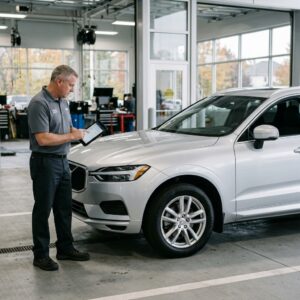
Our appraisal process relies on objective physical measurements and live market transaction data rather than subjective guessing. Our appraisers review current regional auction values, historical service records, tire tread depths, and body panel integrity to generate a transparent cash valuation. That clear valuation gives owners complete confidence, allowing them to apply their vehicle's value directly toward a replacement vehicle or take home cash without enduring weeks of private negotiation.
Q: What Is the Easiest First Step for Selling or Trading In a Used Vehicle?
A: The easiest first step is gathering your basic ownership documentation—including your vehicle's physical title or current payoff statement, valid state identification, and all original remote keys—before visiting a professional evaluation facility. Having these documents ready allows our appraisal team to verify ownership status instantly and complete your transaction in a single visit. If you currently have an outstanding auto loan, requesting a formal 10-day payoff quote from your lender speeds up the process even further.
Once your paperwork is organized, visiting our local buying center allows you to receive an immediate physical appraisal without any pressure or obligation to sell. Our team conducts a thorough walk-around inspection, answers every question regarding market valuation, and provides a written cash offer that remains valid for several days. Drivers who prefer to discuss their vehicle details prior to arriving can reach out to our team via (330) 427-3656 for immediate assistance.
Whether you plan to sell your vehicle for direct cash or apply its value toward upgrading your daily drive, working with an established local dealer provides total peace of mind. Taking a moment to explore our well-maintained pre-owned inventory can help you discover reliable, fully inspected vehicles backed by clear consumer protection disclosures. Bypassing the stress and risks of private online marketplaces ensures a smooth, secure transaction backed by experienced automotive professionals.
While every effort has been made to ensure the accuracy of the information displayed on this website, the vehicle values, offers, and listings shown may not reflect all accurate vehicle details or current market conditions. Vehicle photos may be representative only and may not match the actual vehicle. All offers, appraisals, and transactions are subject to vehicle inspection, verification, and prior sale. Final purchase amounts may vary based on condition, equipment, history, and market factors. Please contact the Dealership for complete details and confirmation.