Vehicles that retain the most value with high miles
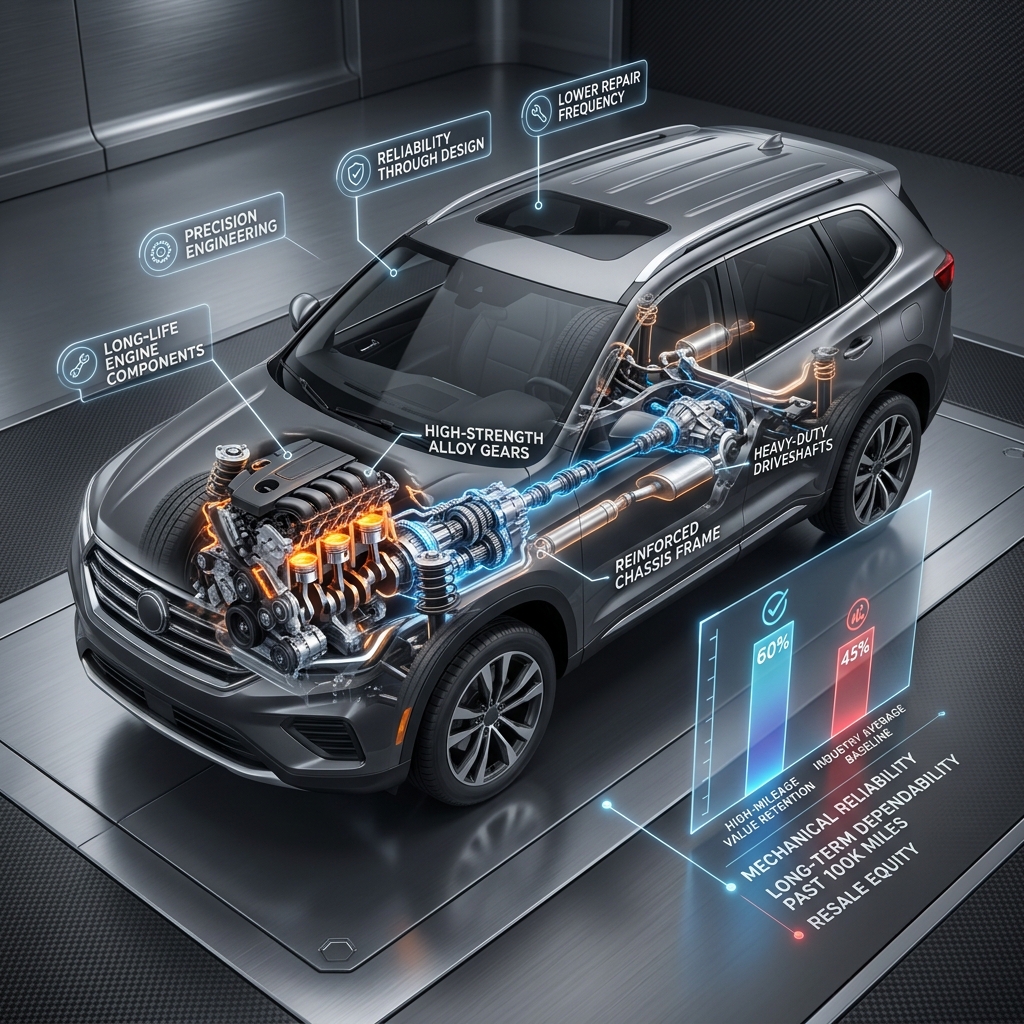
Toyota and Lexus retain the highest percentage of their original value past 100,000 miles, keeping over 60% of their initial market worth after five years compared to the industry average of 45% to 55%. Porsche, Honda, and Subaru also demonstrate significantly slower depreciation rates at higher mileage due to sustained buyer demand, low repair frequency, and proven engineering durability.
Data from the J.D. Power 2024 U.S. Vehicle Dependability Study ranks Lexus as the top overall brand and Toyota as the leading mass-market manufacturer for long-term dependability. Popular nameplates like the Tacoma, 4Runner, Camry, Corolla, and Prius lose only 27% to 40% of their original value over five years, whereas average sedans and SUVs frequently drop 42% to 55%. In multi-year market analyses of five-year-old vehicles, Toyota models occupy roughly 10 of the top 25 spots for value retention.
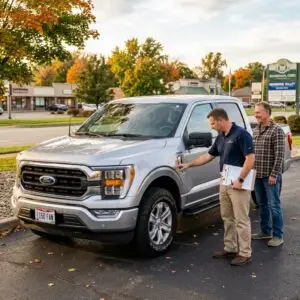
High reliability shields a vehicle from steep mileage-based price drops because pre-owned buyers recognize that a durable powertrain requires fewer major mechanical overhauls. For drivers navigating daily suburban commutes and errands around commercial hubs like Boardman Plaza in Boardman Township, owning a brand known for strong resale value ensures higher equity when it comes time to trade up. At Ken Ganley Buying Center Boardman, located at our Boardman buying center at 7871 Market St, Boardman, OH 44512, our team evaluates vehicles based on real market demand and brand dependability. If you want to check your current vehicle's worth, give our team a quick call at (330) 427-3656 to discuss your options.
Table of Contents
- How Many Miles Is Considered High Mileage for Modern Used Vehicles?
- Why Do Reliable Brands Experience Less Depreciation Past 100,000 Miles?
- What Steps and Detailing Best Protect the Resale Value of a High-Mileage Car?
- Questions Buyers Ask About High-Mileage Vehicle Values
How Many Miles Is Considered High Mileage for Modern Used Vehicles?
For modern passenger vehicles built after 2015, high mileage is typically defined as 120,000 to 150,000 miles, whereas older generations reached high-mileage status around 100,000 miles. Advancements in engineering, precision manufacturing, synthetic lubricants, anti-corrosion treatments, and computer-controlled fuel delivery systems allow well-maintained modern cars to run reliably beyond 200,000 miles.
Used car valuation curves experience their steepest drop during the first 60,000 to 80,000 miles. Once an odometer crosses 100,000 miles, depreciation flattens out considerably. Beyond this threshold, market pricing is driven primarily by overall mechanical health, cosmetic appearance, and documented maintenance rather than the odometer reading alone.
- Under 60,000 Miles: Low mileage; commands premium pre-owned pricing and often qualifies for extended warranty coverage.
- 60,000 to 100,000 Miles: Mid-life mileage; initial rapid depreciation completes, making vehicles in this range popular value targets for commuters.
- 120,000 to 150,000 Miles: Modern high-mileage threshold; pricing stabilizes, with highly reliable brands maintaining a distinct valuation advantage.
- Over 150,000 Miles: Extended mileage; valuation depends almost entirely on individual service history and physical condition.
Whether you drive urban arterial routes through Youngstown or tackle longer highway commutes across the Mahoning Valley, a well-maintained vehicle from a dependable brand retains solid functional and financial value. If you are looking to upgrade your current ride, you can explore our selection of quality pre-owned vehicles to see how different makes hold their worth over time.
Why Do Reliable Brands Experience Less Depreciation Past 100,000 Miles?
Vehicles from highly reliable manufacturers experience less mileage-driven depreciation because secondary market buyers expect significantly lower risks of expensive engine, transmission, or electrical failures. On average, a pre-owned vehicle loses $500 to $1,000 in market value for every additional 10,000 miles driven. For top-tier reliable brands, this rate of loss slows dramatically past 100,000 miles because buyer demand remains consistently strong.
When evaluating trade-in offers on our lot, appraisers and buyers consistently see that a Toyota or Honda with 130,000 miles commands a noticeable price premium over a competing midsize sedan with identical odometer numbers. That price difference exists because replacement parts are widely available, repair frequency is lower, and the underlying engineering has proven its ability to handle high odometer numbers without requiring engine overhauls.
Specific vehicle categories within reliable brand lineups demonstrate remarkable resale resilience:
- Hybrid Vehicles: Highly durable hybrids like the Toyota Prius retain roughly 65% of their original value after five years. A five-year depreciation study by iSeeCars covering over 800,000 vehicle transactions found that hybrid vehicles lose only 41% of their value over five years, compared to nearly 59% for electric vehicles.
- Trucks and Body-on-Frame SUVs: Models like the Toyota Tacoma and 4Runner feature rugged chassis designs that resist wear, allowing ten year-old examples with well over 100,000 miles to command strong resale prices.
- Enthusiast Sports Cars: Reliable performance models built on durable mechanical platforms, such as the Mazda MX-5 Miata, retain about 69% of their original value after five years.
This market preference creates a protective floor under trade-in valuations, allowing owners of dependable vehicles to recoup a larger share of their initial purchase investment.
What Steps and Detailing Best Protect the Resale Value of a High-Mileage Car?
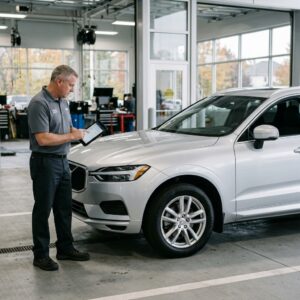
Maintaining complete, verifiable service records and investing in professional interior and exterior detailing offer the highest return on investment when selling or trading in a high-mileage vehicle. Documented maintenance histories for engine oil services, transmission fluid services, cooling system flushes, and brake inspections can increase trade-in offers by 10% to 15% by removing buyer uncertainty regarding deferred repairs.
A professional detail can improve trade-in valuation or private resale price. High-mileage buyers expect mechanical wear, but severe cosmetic neglect suggests that mechanical systems were ignored as well. A thorough cleaning changes buyer perception immediately.
Key preservation steps that protect valuation include:
- Paint Correction and Headlight Restoration: Removing light oxidation and clearing foggy headlight lenses restores visual clarity, making a vehicle look years newer.
- Upholstery Deep Cleaning: Steam cleaning cloth seats or conditioning leather eliminates deep-seated dirt, wear marks, and cabin odors.
- Undercarriage Washing: Removing road salt and grime prevents rust accumulation on key frame components and suspension mounts.
- Engine Bay De-Greasing: A clean engine bay allows appraisers to verify that gaskets, hoses, and fluid reservoirs are leak-free and properly maintained.
Understanding how physical presentation aligns with valuation guidelines gives sellers a clear advantage. You can learn more about how online valuation tools calculate pre-owned market value to see how physical condition directly impacts trade-in offers.
Questions Buyers Ask About High-Mileage Vehicle Values
Q: Does a vehicle lose value at the exact same rate after passing 100,000 miles?
No, vehicle depreciation slows down significantly after an odometer passes 100,000 miles. The steepest percentage of market value loss occurs during the first three to five years and the initial 60,000 miles of driving. Once a vehicle reaches six-figure mileage, valuation flattens out, and pricing becomes much more dependent on physical condition, brand reputation, and documented service history than on incremental mileage increases.
Q: Do hybrid batteries cause severe depreciation on high-mileage vehicles?
Hybrid vehicles from reliable manufacturers actually experience slower overall depreciation than conventional gas cars or electric vehicles. Data from major pre-owned market studies shows that hybrids retain over 59% of their value after five years on average. Modern hybrid battery packs are engineered to last the operational lifetime of the vehicle, and widespread component availability keeps potential replacement costs manageable for second and third owners.
Q: How do complete service records impact trade-in offers on vehicles over 120,000 miles?
Having complete, verifiable service records may improve a high-mileage vehicle's trade-in offer. Documented oil changes, brake services, fluid flushes, and belt replacements prove that the car was cared for properly. This documentation eliminates guesswork for appraisers, allowing them to make a top-dollar offer without discounting for potential hidden mechanical faults.
Q: Is it worth spending money on cosmetic paint correction before trading in a high-mileage car?
Investing in a professional detail and minor paint correction costing $150 to $300 can improve final trade-in or private-party value. First impressions strongly influence vehicle appraisals. A clean exterior with clear headlights and a fresh interior signals that the vehicle was well cared for throughout its lifespan.
Q: Why do local buying centers offer different prices for high-mileage vehicles than national online estimators?
National online algorithms rely on regional statistical averages that often fail to account for localized demand, seasonal buying patterns, and overall reconditioning quality. A local buying center physically inspects the vehicle, evaluating specific upgrades, actual cosmetic condition, and local market preferences. This hands-on evaluation often results in a higher and more accurate cash offer than an automated national formula.
Get Top Value for Your High-Mileage Vehicle in Boardman
High mileage does not have to mean a low trade-in offer, especially when you own a vehicle from a reliable brand. Proper care, organized maintenance records, and clean cosmetics help maintain strong market equity throughout your ownership.
When you are ready to sell or trade in your current vehicle, visit our buying center showroom at Ken Ganley Buying Center Boardman. Our appraisers deliver transparent, competitive offers based on real-time market data. You can also explore comparing local buying centers against national online buyers to see why selling locally yields a better experience. Give our team a call at (330) 427-3656 or visit us today to receive an immediate cash offer for your vehicle.
© 2026 Ken Ganley Buying Center Boardman. All rights reserved.
While every effort has been made to ensure the accuracy of the information displayed on this website, the vehicle values, offers, and listings shown may not reflect all accurate vehicle details or current market conditions. Vehicle photos may be representative only and may not match the actual vehicle. All offers, appraisals, and transactions are subject to vehicle inspection, verification, and prior sale. Final purchase amounts may vary based on condition, equipment, history, and market factors. Please contact the Dealership for complete details and confirmation.