Private vehicle sellers can avoid Facebook Marketplace auto scams by insisting on in-person meeting spots at local banks or police exchange zones, verifying payment directly with financial institutions before signing over a title, refusing third-party report links or verification codes, and rejecting untraceable payment methods like wire transfers or digital app overpayments.
Selling a pre-owned vehicle online exposes individuals to increasingly sophisticated financial traps. While peer-to-peer platforms offer broad visibility, fraudulent buyers frequently target listings using stolen accounts, counterfeit cashier’s checks, and fake digital payment confirmations. Protecting yourself requires treating every inquiry with strict security protocols until funds clear completely.
When listing your vehicle, set firm terms in your description regarding acceptable payment methods and meeting locations. Scammers usually target sellers who seem flexible on remote pickup, peer-to-peer payment apps, or unusual escrow requests. Establishing clear boundaries from the initial message eliminates most bad-actor interactions right away.
For complete peace of mind without the risks of private sales, working with an established buying center provides a simple, direct transaction. You can visit our convenient location on Market Street or call our team at (330) 427-3656 to discuss a transparent, professional cash evaluation for your vehicle.
Table of Contents
- Which Digital Tactics and Fake Links Should Raise Immediate Red Flags?
- How Should Sellers Handle VIN Verification, Title Transfers, and Payment?
- What In-Person Safety Practices Protect You When Meeting Buyers Around Boardman?
- What Are the Safest Alternatives to Selling a Car Privately?
- Common Questions About Selling a Car Safely
- Skip the Private Sale Hassle and Learn More Today
Which Digital Tactics and Fake Links Should Raise Immediate Red Flags?
Private sellers should treat any request to click external “vehicle history” or “identity verification” links as an immediate red flag, along with buyers asking for two-factor authentication codes or offering extra cash to hold a vehicle.
Digital auto scams against sellers typically begin within minutes of publishing a listing. A common tactic involves a prospective buyer insisting you purchase a vehicle history report from an obscure, third-party website they supply via link. These fake sites exist solely to capture your credit card details and personal information. Genuine buyers will perform their own background research using standard public databases or reputable history providers.
Another widespread digital scheme involves Google verification codes or phone authentication traps. The fraudster claims they need to verify you are a real person by sending a six-digit text code to your phone, which you are asked to read back to them. In reality, the scammer is attempting to reset your password or register a Google Voice account using your personal phone number. Never share verification codes with anyone over Facebook Messenger or text.
Watch out for automated responses offering to buy your vehicle sight unseen or promising to send a courier with a check. These messages often offer above your asking price to entice fast action. If you decide to transition from selling to shopping for your next ride, reviewing our selection of quality used vehicles provides a secure standard of inventory transparency.
How Should Sellers Handle VIN Verification, Title Transfers, and Payment?
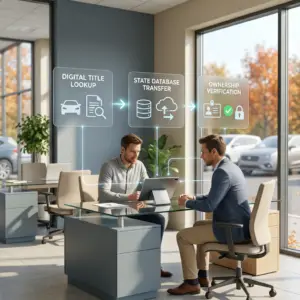
Vehicle sellers should verify payment by having the buyer’s bank or cashier’s check clear directly with the issuing institution before handing over keys or signing the title, while keeping title transfers strictly tied to official Ohio notarization procedures.
Sharing your vehicle details is necessary for legitimate buyers, but security precautions remain critical. You can safely share your 17-digit VIN in text so buyers can run an independent NMVTIS report or history check. However, avoid sending clear photographs of your paper title or driver’s license online. Scammers use these documents to create cloned listings or counterfeit titles for stolen automobiles.
Payment fraud represents the highest financial risk for private sellers. Fake cashier’s checks are designed to look authentic, and federal banking regulations require banks to make funds available quickly—often within 1 to 2 business days. However, when the bank discovers the check is fraudulent days or weeks later, the funds are debited back from your account, leaving you without the money or your car. Always verify a cashier’s check directly with the issuing bank branch before releasing ownership documents.
Digital payment app scams are equally common. Fraudsters often send fake emails pretending to be Zelle, Venmo, or Cash App, stating that you must pay a “business account upgrade fee” to unlock a buyer’s pending transfer. Genuine payment apps never charge sellers fees to receive funds for private sales. When preparing paperwork, reviewing our guide on how to sell your car helps navigate title transfers and documentation requirements safely.
What In-Person Safety Practices Protect You When Meeting Buyers Around Boardman?
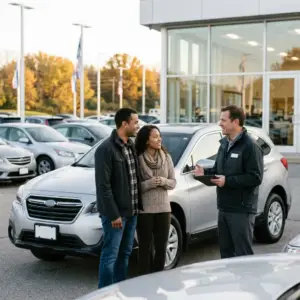
Meeting prospective buyers during daylight hours in monitored public locations—such as bank lobbies, police exchange zones, or established buying centers—eliminates physical theft and robbery risks during private vehicle sales.
Never host a prospective buyer at your private home address or agree to meet in isolated parking lots after dark. Choose a well-lit location equipped with active security cameras. High-traffic commercial areas or designated safe-exchange zones outside local law enforcement stations provide strong visual deterrence against criminal activity.
Before allowing anyone to take a test drive, implement strict personal safety protocols:
- Ask to view the buyer’s valid driver’s license and take a quick photo of it on your phone.
- Bring a trusted adult friend or family member along for the meeting.
- Keep the vehicle keys in your possession until you are seated inside the passenger side during a test drive.
- Never leave the engine running with the keys inside while you step outside the vehicle.
Completing the final transaction inside a local bank branch offers maximum physical safety and immediate financial security. You can finalize the title transfer and watch the teller issue or verify funds in a controlled environment. If you want to compare the security of a private transaction against a professional buying evaluation, comparing national online buyers versus a local buying center highlights the streamlined protection a physical establishment delivers.
What Are the Safest Alternatives to Selling a Car Privately?
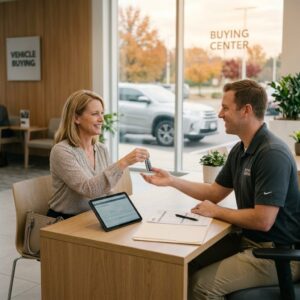
Selling directly to a professional vehicle buying center provides a straightforward payment process and helps avoid many of the safety hazards, fraudulent check risks, and listing headaches of private online marketplaces.
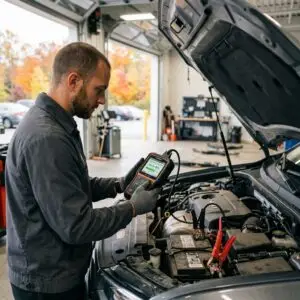
Bypassing the private market entirely eliminates the threats of fake checks, sketchy messages, and stranger meetups. At Ken Ganley Buying Center Boardman, we purchase vehicles of any make, model, or age directly from local owners. Our appraisal process is entirely transparent, based on fair market value, and with prompt payment at the time of sale.
We handle all legal title transfers, lien payoffs with your lender, and state paperwork on-site, ensuring you are completely released from liability the moment you sign. You avoid spending weeks responding to unqualified buyers or worrying about payment clearance.
To experience a simple, convenient vehicle sale, visit our team on Market Street or speak directly with our appraisers by dialing (330) 427-3656.
Common Questions About Selling a Car Safely
Q: Is a cashier’s check completely safe when selling a car on Facebook Marketplace?
Cashier’s checks are not automatically safe because fraudulent checks can take several days or weeks to officially bounce. Banks are required to make funds provisionally available quickly, but if the check is counterfeit, the bank will deduct that money from your account later. Always visit the issuing bank with the buyer to verify the check’s validity before signing over your vehicle title.
Q: What should I do if a buyer offers to send a deposit via Zelle or Venmo before seeing the car?
Treat advance deposit offers from buyers who haven’t seen the car as suspicious. Scammers often use stolen payment app accounts or send fake email notifications claiming you need to pay a “business fee” to receive the money. Refuse advance electronic deposits from unknown buyers and insist on completing the financial transaction in person at a bank.
Q: Should I give out my phone number or a verification code to a Facebook Marketplace buyer?
Never share SMS two-factor verification codes with anyone online. Scammers ask for phone numbers and codes under the guise of verifying your identity, but they are actually using the code to compromise your personal accounts or set up fake numbers using your credentials. Keep all initial communications strictly inside Facebook Messenger.
Q: How can I safely let a Marketplace buyer test drive my vehicle?
Always check and photograph the buyer’s driver’s license before opening the doors. Meet in a busy, daylight location, bring a friend or family member with you, and sit in the passenger seat during the test drive. Never leave the vehicle running unattended with the keys in the ignition.
Q: Can I sell my vehicle if I still owe money on an existing auto loan?
Selling a financed vehicle privately requires paying off the lender balance before the title can be released to the buyer, which complicates private peer-to-peer transactions. A professional buying center handles loan payoffs directly with your financial institution, paying off your balance and issuing you a check for the remaining equity without extra hassle.
Skip the Private Sale Hassle and Learn More Today
Selling a vehicle privately on Facebook Marketplace requires constant vigilance against sophisticated check scams, phishing links, and physical safety risks. You can skip the endless messages, lowball offers, and security concerns by selling your car directly to our expert team.
Ken Ganley Buying Center Boardman buys every make and model, giving you a cash offer backed by transparent valuation standards. We process your paperwork immediately, pay off existing loans, and hand you a check on the same day. Contact us today or visit our showroom to see how simple selling your car should be.
© 2026 Ken Ganley Buying Center Boardman. All rights reserved.
While every effort has been made to ensure the accuracy of the information displayed on this website, the vehicle values, offers, and listings shown may not reflect all accurate vehicle details or current market conditions. Vehicle photos may be representative only and may not match the actual vehicle. All offers, appraisals, and transactions are subject to vehicle inspection, verification, and prior sale. Final purchase amounts may vary based on condition, equipment, history, and market factors. Please contact the Dealership for complete details and confirmation.