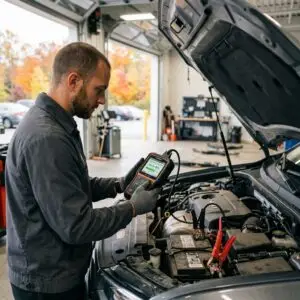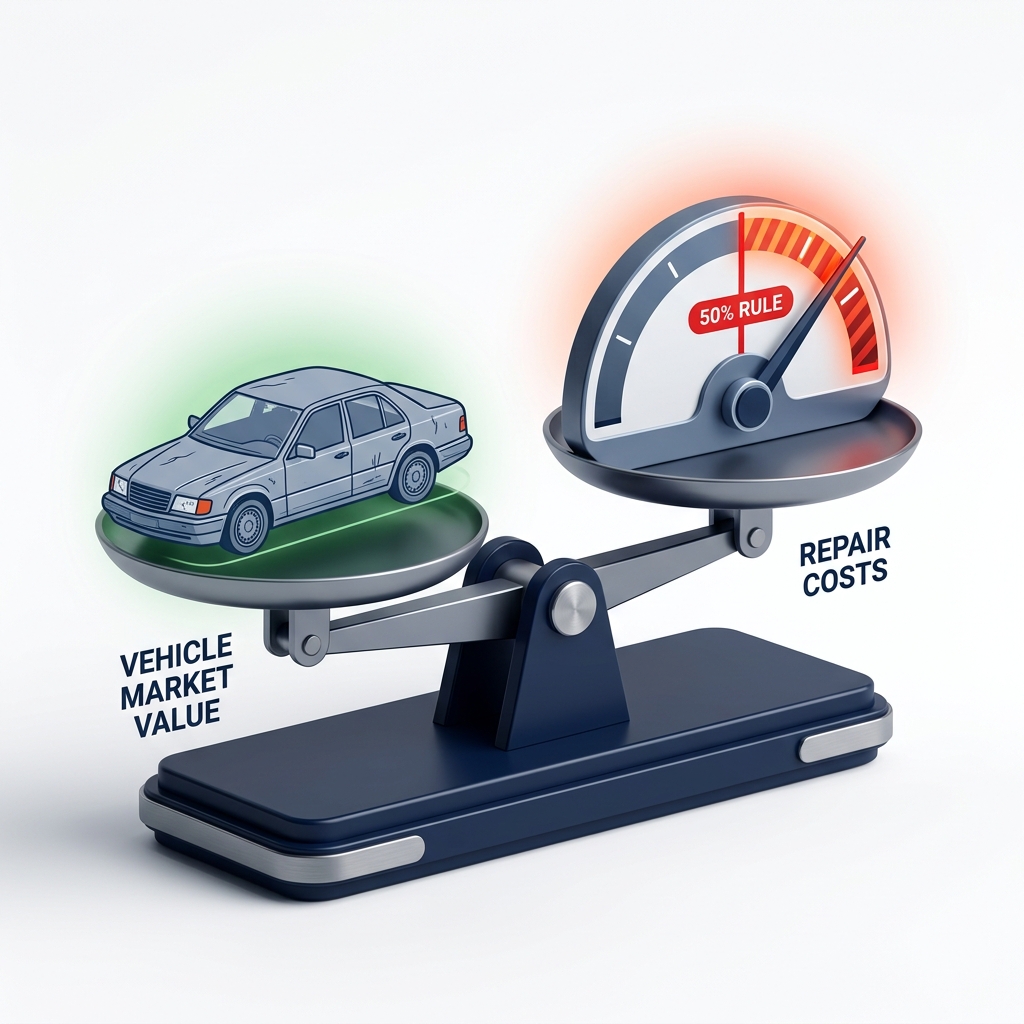
Keeping an old car becomes too expensive when annual repair and maintenance bills are approaching the vehicle’s total market value, or when a single repair quote is a significant share of what the automobile is worth. Receiving multiple large repair bills within a twelve-month period can indicate reliability concerns. When maintenance costs become a substantial share of the vehicle’s private-party value, selling the car outright may provide immediate financial relief while avoiding ongoing mechanical liabilities.
Many drivers hold onto aging vehicles under the assumption that avoiding a vehicle payment saves money. However, unexpected breakdown expenses, towing fees, rental car charges, and missed work shifts quickly eliminate those savings. When severe mechanical issues emerge—such as cylinder head gasket failures, automatic transmission slippage, or cracked engine blocks—investing thousands of dollars into a depreciated asset yields zero financial return.
Selling your car outright to a dedicated purchasing facility allows you to liquidate the asset immediately and learn your current cash value before the next major component breaks down. Unlike trading in, an outright sale gives you direct payment without requiring you to buy another vehicle on the lot. If you are unsure whether your current vehicle has reached the end of its financial viability, visit our Boardman buying center at 7871 Market St, Boardman, OH 44512 or give our valuation team a call at (330) 427-3656 for a straightforward appraisal.
Table of Contents
- At What Mileage and Age Should You Consider Selling Your Vehicle?
- How Does the 50 Percent Rule Help Decide Between Repairs and Selling?
- Common Questions About Selling an Aging Vehicle
- Sell Your Vehicle for Top Value at Ken Ganley Buying Center Boardman
At What Mileage and Age Should You Consider Selling Your Vehicle?
You should consider selling your vehicle when it reaches 100,000 to 150,000 miles or between 3 and 5 years of age to maximize cash return before major component degradation begins. Modern automobiles regularly operate up to 200,000 miles or roughly 15 years when properly maintained, but market value drops sharply as odometer numbers cross major mileage thresholds.
Passing 100,000 miles creates a significant psychological boundary for prospective buyers, accelerating depreciation and lowering demand. Beyond this mark, critical wear items require complete replacement, including:
- Engine timing belts and water pumps
- Suspension struts and shock absorbers
- Exhaust catalytic converters and oxygen sensors
- Transmission fluid flushes and clutch assemblies
- Brake rotors and master cylinders
Drivers navigating daily routes through Youngstown accumulate miles rapidly, making proactive selling essential before these cumulative service bills arrive. Selling your car outright prior to these heavy maintenance intervals allows you to capture peak market value. You can review how to sell your vehicle directly to understand how quick vehicle evaluations work, or examine overall pre-owned car market valuations to see how age and mileage drive cash offers.
How Does the 50 Percent Rule Help Decide Between Repairs and Selling?
A common guideline is that if a single mechanical repair estimate is a large share of your vehicle’s current market value, you may want to consider selling the car rather than approving the work. Sinking heavy capital into a severely depreciated automobile rarely increases its market resale price enough to recover the cost of the repair.
Evaluating repair costs against current vehicle worth requires clear mathematical thresholds:
- Pre-Sale Repair Spending Cap: Do not spend more than 10% to 15% of the vehicle’s current market value on cosmetic detailing or minor maintenance prior to selling, as higher expenditures will not be recovered in the final cash price.
- Annual Maintenance Limit: If total maintenance and repair spending over 12 months exceeds 25% of the car’s private-party value, liquidating the asset may be the smarter financial choice.
- Catastrophic Failure Threshold: When a single quote for an engine overhaul or transmission replacement approaches 60% to 70% of total vehicle value, the car should be sold or salvaged immediately.
To calculate your position accurately, check baseline vehicle values using established pricing guides like Kelley Blue Book or Edmunds. Subtracting the pending repair estimate from the baseline value reveals your true remaining equity. For suburban commuters in Boardman Township managing daily family schedules, avoiding large repair bills on aging vehicles protects monthly finances and ensures transportation stability.
Common Questions About Selling an Aging Vehicle
Q: What paperwork should I bring when selling my car outright?
Bring the physical vehicle title, current registration, valid government-issued photo identification, and all sets of keys. If your vehicle currently has an active bank loan, bring a official 10-day payoff statement from your lender containing the total balance and account number so the buyer can settle the lien directly.
Q: Is early in the calendar year really a better time to sell a car?
Yes, cash purchase offers and buyer demand for pre-owned vehicles are typically strongest during the first two quarters of the calendar year. Tax refunds and tax incentives drive increased market activity, allowing sellers to secure higher cash values before general market depreciation increases during the autumn and winter months.
Q: Should I fix cosmetic damage before selling my vehicle?
Minor cosmetic touch-ups like professional interior detailing or replacing cracked light lenses are worthwhile, but major bodywork or paint repairs are rarely cost-effective. Keeping pre-sale conditioning costs under 10% to 15% of the vehicle’s market value ensures you do not waste money that cannot be recovered in the final cash offer.
Q: What operational signals indicate it is time to sell rather than keep driving?
Key operational red flags include fluid leaks beneath the engine bay, persistent dashboard warning lights, slipping transmission gears, and loud mechanical noises during cold starts. When vehicle owners visit our valuation desk after a sudden breakdown, they often ask whether fixing a blown head gasket or transmission slips is worth the cost before realizing a cash sale avoids those repair headaches entirely.
Q: How does selling directly to a buying center compare to a private sale?
Selling directly to a dedicated buying center can provide immediate cash payment, eliminates safety risks associated with strangers test-driving your vehicle, and ensures all legal title transfers are completed properly on-site. Private sales often take weeks, carry payment risks, and force sellers to manage complex DMV paperwork independently.
If you have additional questions about title processing or cash valuations, drop by our Boardman location, call our team directly at (330) 427-3656, or explore our online frequently asked questions page.
Sell Your Vehicle for Top Value at Ken Ganley Buying Center Boardman
At Ken Ganley Buying Center Boardman, we want to buy your car regardless of its make, model, age, or current condition. As Boardman’s trusted car buying center, our goal is to help you skip the hassle of selling privately by providing competitive offers with no waiting or hassle. Whether your vehicle is a low-mileage commuter or an aging automobile facing upcoming maintenance, our team evaluates your car fairly and provides a cash offer based on its condition.
Bring your vehicle to our showroom or contact our appraisal specialists to get an offer in minutes. Experience the convenience of a fast, transparent selling process backed by professional customer care.
© 2026 Ken Ganley Buying Center Boardman. All rights reserved.
While every effort has been made to ensure the accuracy of the information displayed on this website, the vehicle values, offers, and listings shown may not reflect all accurate vehicle details or current market conditions. Vehicle photos may be representative only and may not match the actual vehicle. All offers, appraisals, and transactions are subject to vehicle inspection, verification, and prior sale. Final purchase amounts may vary based on condition, equipment, history, and market factors. Please contact the Dealership for complete details and confirmation.