Essential Tools Needed to Change a Flat Tire Safely
When a flat tire suddenly interrupts your day, having the right tools on hand can make all the difference between a stressful delay and a quick, confident repair. Knowing which essential tools to carry and how to use them ensures you can handle a tire change safely and efficiently, especially when driving the suburban roads around Boardman or commuting through nearby areas like Massillon. Preparing in advance not only protects your vehicle’s condition but also keeps your family secure during roadside emergencies.
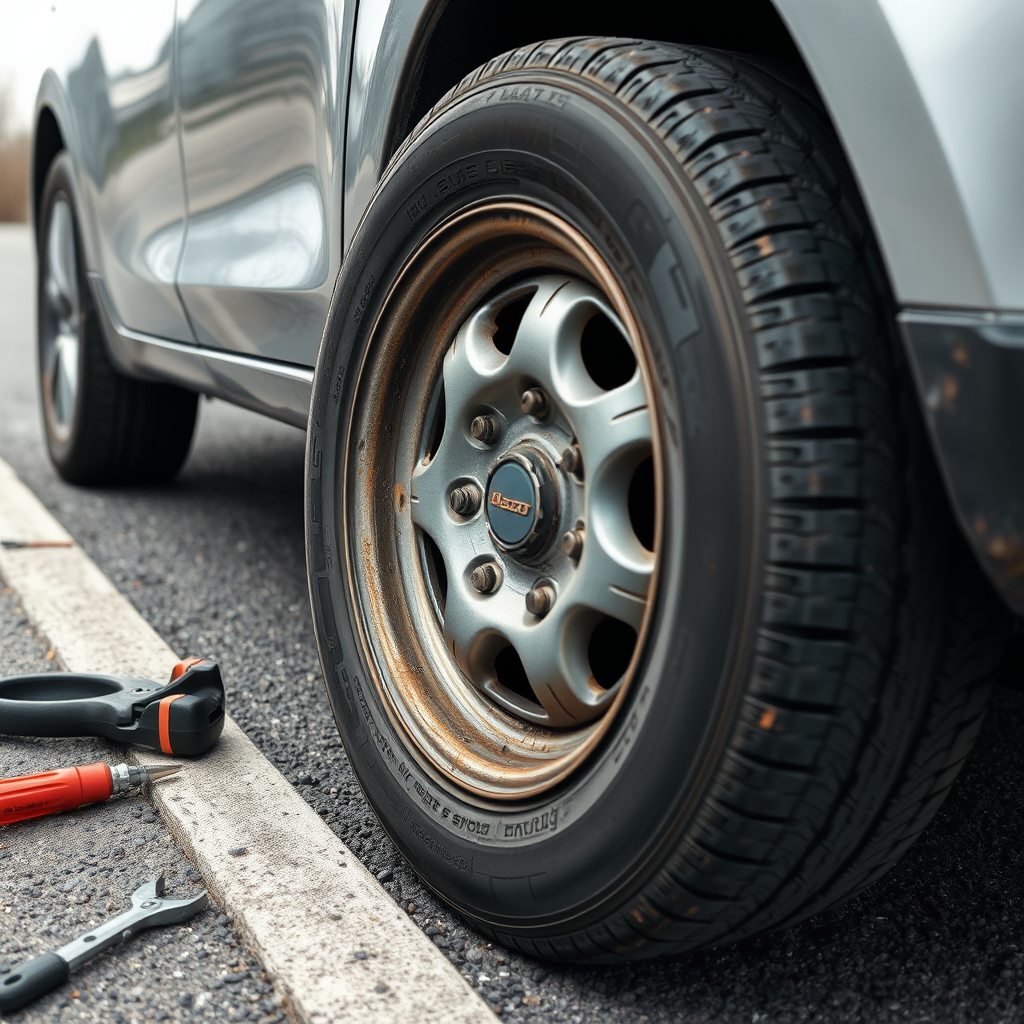
To change a flat tire, the first and most important tools you need are a reliable jack, a lug wrench, and a properly inflated spare tire. These are often stored in your vehicle’s trunk or cargo area, but it’s wise to verify their presence regularly. The lug wrench loosens and tightens the lug nuts holding the wheel in place and typically fits the specific bolts on your vehicle. A sturdy jack, such as a scissor jack or hydraulic jack, lifts the car safely off the ground, allowing you to remove the flat tire without strain or risk of damage. Some jacks come with crank handles that double as wrenches, offering a compact, all-in-one solution.
The spare tire is your immediate replacement and is usually either a full-size tire or a smaller temporary “donut.” Larger SUVs and trucks may have their spare mounted externally, often beneath the rear of the vehicle, while sedans generally store theirs inside the trunk. It’s crucial to check the spare’s air pressure monthly, as tires naturally lose air over time, which can leave you stranded if the spare isn’t ready when you need it most.
Aside from these basics, having a few additional items can greatly improve your safety and convenience. Wheel wedges or blocks placed behind the tires prevent the car from rolling during the change. A flashlight is invaluable if you’re working in low light conditions. Carrying gloves protects your hands from dirt and sharp objects, and a reflective vest or roadside triangles increase your visibility to other drivers, especially on busy streets or highways.
At Ken Ganley Buying Center Boardman, we emphasize practical, family-focused advice to help you stay prepared on the road. Whether you’re navigating around Boardman Township or heading toward New Franklin, being equipped with the right tools and knowledge ensures you’re ready to handle a flat tire safely. Remember, our team is here to support you beyond emergencies — if you’re considering selling your car, we want to buy it, regardless of make or model, providing quick, straightforward offers without hassle or delay. This commitment to transparency and community trust makes us Boardman’s trusted car buying center, where no waiting or games are involved, just real cash offers you can count on.
Table of Contents
- Step-by-Step Guide to Jacking Up Your Vehicle Correctly
- Installing the Spare Tire: Best Practices for a Secure Fit
- Safety Tips and Local Resources for Tire Emergencies in Boardman
Step-by-Step Guide to Jacking Up Your Vehicle Correctly
Properly raising your vehicle is a critical step when changing a flat tire, especially to ensure your safety and protect your car from damage. Before beginning, make sure you are parked on a firm, level surface and away from traffic, such as a quiet side street or a parking lot near Boardman. Engage the parking brake firmly to prevent the vehicle from rolling and place wheel wedges or heavy objects behind the wheels opposite the flat tire for added stability.
Start by locating the jack and lug wrench, typically stored in your trunk or under the cargo floor. Consult your vehicle’s owner manual to identify the exact jacking points—these are reinforced areas designed to support the vehicle’s weight safely. Using the jack in the wrong spot can cause damage to your car’s frame or suspension components, and such damage may not be covered under warranty or insurance.
To begin raising the vehicle, position the jack under the designated jacking point nearest the flat tire. For example, if your left front tire is flat, use the front left jacking point. Attach the jack handle securely, and turn it clockwise slowly and steadily to lift the vehicle. Raise the car until the flat tire is completely off the ground with enough clearance to remove and replace the tire comfortably.
While lifting, avoid placing any part of your body under the vehicle. Never use makeshift supports such as bricks or cinder blocks. If available, using a jack stand can provide additional safety, but for most passenger vehicles, the scissor or bottle jack included in your car’s toolkit is sufficient when used correctly.
Once the vehicle is elevated, double-check that it is stable before loosening the lug nuts. This process ensures your family’s safety and keeps your vehicle in good condition during the tire change.
For additional support, explore our FAQ’s or reach out directly through our Contact page. Taking these careful steps when jacking your vehicle helps ensure a smooth, safe tire change every time.
Installing the Spare Tire: Best Practices for a Secure Fit
Once your vehicle is safely jacked up and the flat tire removed, installing the spare tire correctly is crucial to ensure your safety and the proper function of your vehicle. The first step is to align the spare tire with the wheel studs, which are the threaded bolts protruding from the hub. Take care to line up each hole on the spare tire with these studs perfectly. Improper alignment can cause difficulty during installation and may lead to uneven tightening, which affects your vehicle’s handling and braking.
After positioning the spare tire, hand-tighten the lug nuts onto the wheel studs. This initial tightening should be snug but not fully secured, allowing for some adjustment as you lower the vehicle. It’s important not to overtighten at this stage because the tire needs to settle fully against the hub, which happens as the car is lowered. Hand-tightening prevents cross-threading, a damaging misalignment of the nut and bolt threads, which can compromise wheel security.
Lower the vehicle slowly using the jack until the spare tire just touches the ground. This partial contact prevents the wheel from spinning freely while you tighten the lug nuts fully. The recommended method for tightening lug nuts is the crisscross or star pattern, which evenly distributes pressure across the wheel. This technique helps maintain the wheel’s balance and prevents warping of the brake rotor or drum. Use a lug wrench to tighten each nut progressively, applying firm pressure but avoiding excessive force that could strip the threads.
Once all lug nuts are tightened in the proper sequence, carefully lower the vehicle completely and remove the jack. At this point, give each lug nut a final check to ensure they are securely fastened. Driving with loose lug nuts can lead to dangerous scenarios including wheel detachment or damage to the wheel assembly.
Remember, spare tires are usually temporary solutions designed to get you to the nearest repair shop, so avoid long distances or high speeds. If your spare tire needs air, stop at a nearby station or use a portable inflator to reach the recommended pressure. Maintaining the correct pressure is essential for safe handling, especially on the varied road conditions you might encounter around Boardman or neighboring areas like Massillon.
After your tire change, take advantage of Ken Ganley Buying Center Boardman’s expertise for any further vehicle needs. If you’re considering selling your car, we want to buy it—any make, any model, paid today. Our straightforward process ensures no waiting or games, just real cash offers. For customer experiences, browse our reviews. When the time comes to part with your vehicle, visit our Sell My Car page for a quick, hassle-free offer.
Safety Tips and Local Resources for Tire Emergencies in Boardman
Changing a flat tire is often unexpected, so prioritizing safety during the process is crucial. First, whenever you notice a tire issue, gently ease your vehicle to a secure and level spot away from traffic, such as a parking lot or a wide shoulder. Avoid abrupt braking or sharp turns that could destabilize your vehicle. After stopping, turn on your hazard lights to alert nearby drivers of your situation. Placing wheel wedges behind the tires opposite the flat also helps prevent rolling, especially on sloped surfaces common around Boardman’s suburban roads.
Personal safety is just as important. Stay aware of your surroundings, especially on busier roads like those near Massillon. Wearing bright or reflective clothing increases visibility if you must work roadside, and keeping a flashlight handy is essential for any tire changes after dark. Always position yourself and your tools away from passing traffic and avoid remaining inside the vehicle while changing the tire.
For drivers in Boardman who prefer professional assistance or find themselves in more challenging situations, several local tire shops and auto service centers offer prompt help. Businesses near 7871 Market St, Boardman, OH 44512 provide emergency tire repair and replacement services tailored to the needs of suburban families and commuters. These services can be lifesavers during busy mornings or after a long day on the road.
Additionally, staying informed about tire care can prevent emergencies. Regularly checking tire pressure and tread depth at home or during routine maintenance stops reduces the chance of unexpected flats. Visit our blog for tips on tire upkeep and other vehicle care advice to keep your family safe on the road.
If your vehicle is beyond repair or you’re considering an upgrade, remember that Ken Ganley Buying Center Boardman is ready to purchase your car—any make or model—with immediate offers, no delays, and no games. This support extends our commitment to the local community, making us Boardman’s trusted car buying center. Whether you need assistance with a flat tire or want to sell your vehicle, contact us at (330) 427-3656 for personalized support.
© 2026 Ken Ganley Buying Center Boardman. All rights reserved.