
How Do Aftermarket Modifications Affect a Car’s Resale Value?
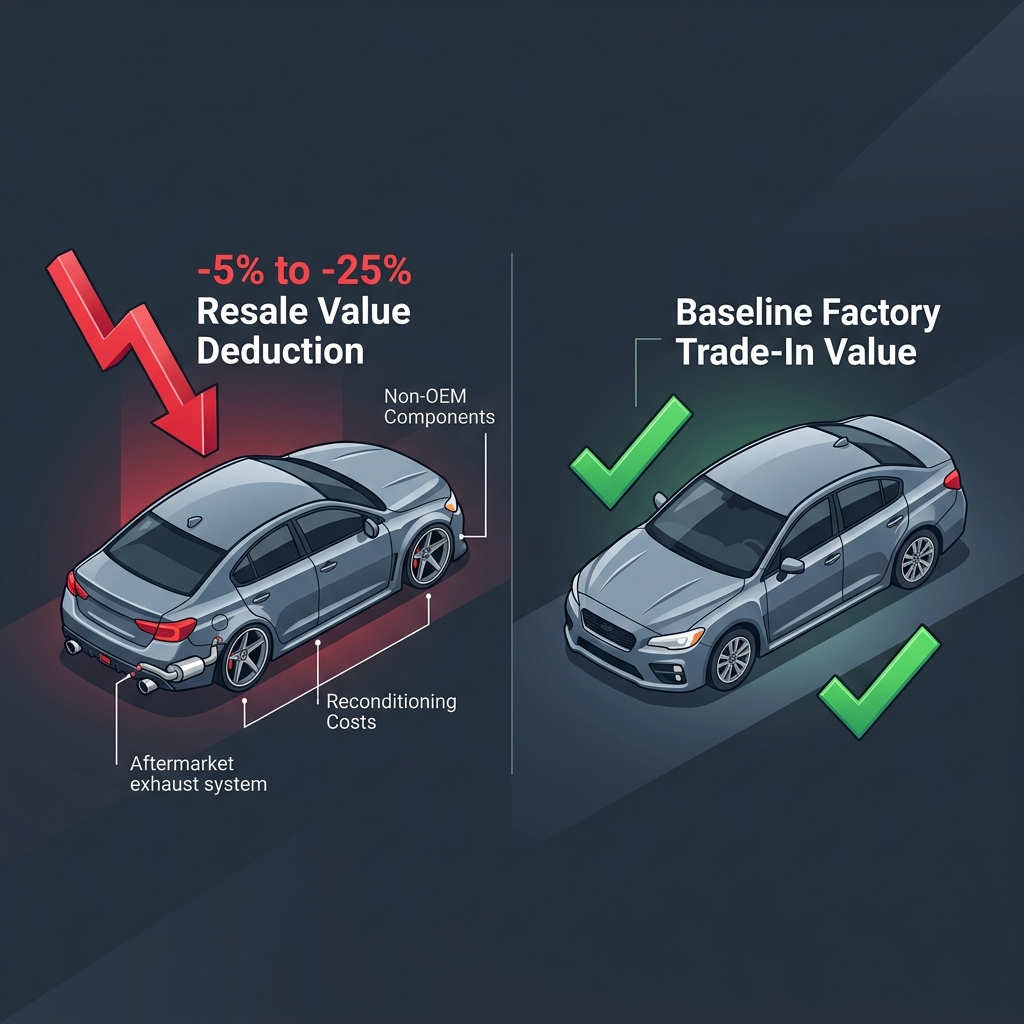
Aftermarket modifications typically reduce a car’s resale and trade-in value by 5% to 25% since standard appraisals are based on factory configurations. While OEM-style upgrades might maintain or slightly increase value, custom mechanical, suspension, or cosmetic changes often narrow the buyer pool and necessitate costly reconditioning. Extensive modifications generally result in lower offers due to concerns about reliability and additional repair expenses.
How Do You Maintain a Vehicle in Long-Term Storage?
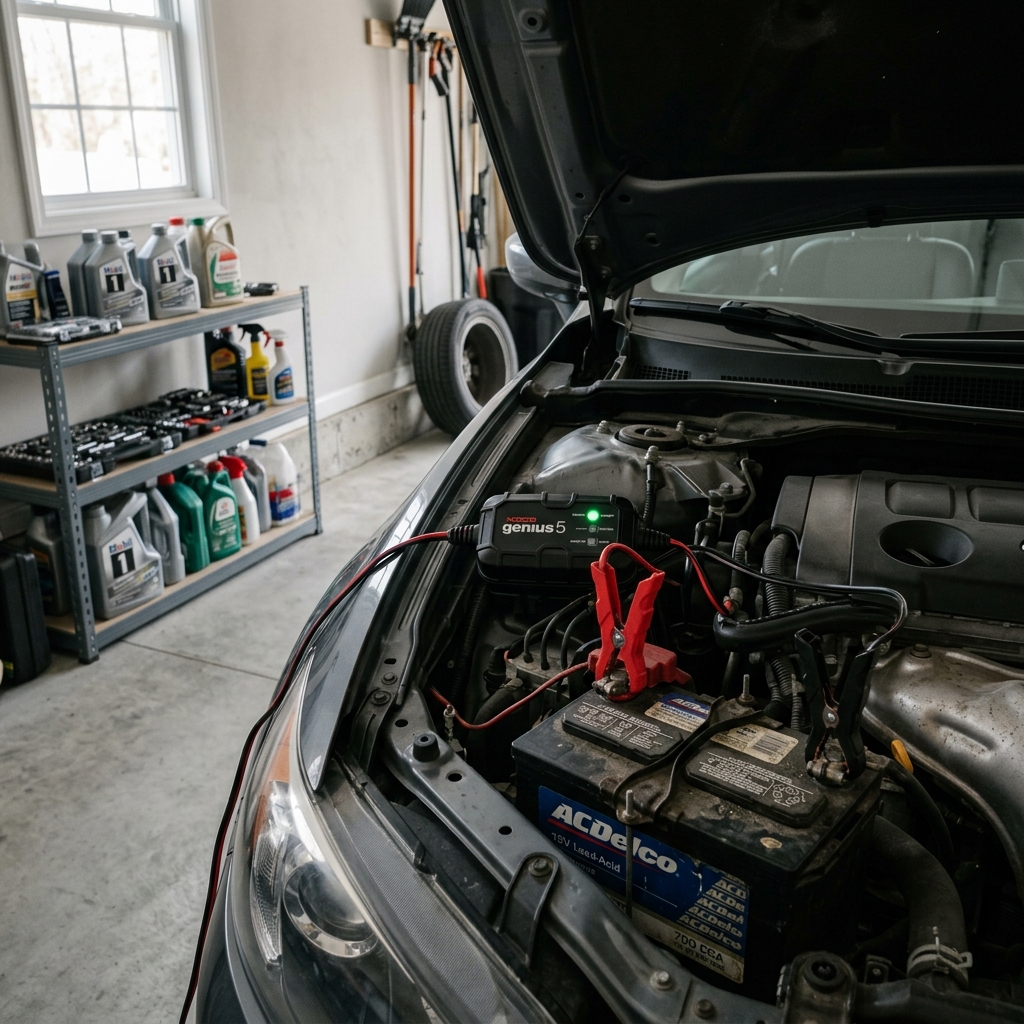
Properly maintaining a vehicle in long-term storage involves essential steps such as changing the oil, topping off fluids, inflating tires, adding fuel stabilizer, and using a battery tender to prevent degradation. Regularly driving the car every few weeks helps maintain engine health by reaching full operating temperature and preventing moisture buildup. Professional inspections can also help owners decide if keeping an extra car is financially viable.

How Do You Sell a PA-Titled Car to an Ohio Dealer?
Selling a Pennsylvania-titled car to an Ohio dealer requires the original title, valid ID, and lien release if financed, with the dealer performing all necessary vehicle inspections, notarizations, and paperwork to streamline the cross-state transfer. The dealership handles lien payoffs and immediate payment, eliminating delays common in private sales while providing a full legal paper trail to protect the seller.

Is Selling Your Car to Ken Ganley Buying Center in Boardman Worth It?
Selling a car to Ken Ganley Buying Center in Boardman offers vehicle owners an immediate, market-based cash offer without the hassles of private sales. The local appraisal team provides on-site evaluations, handles all state paperwork, and ensures quick payment, backed by decades of regional expertise and a transparent, streamlined process.
What Main Factors Determine a Car’s Real-World Gas Mileage?
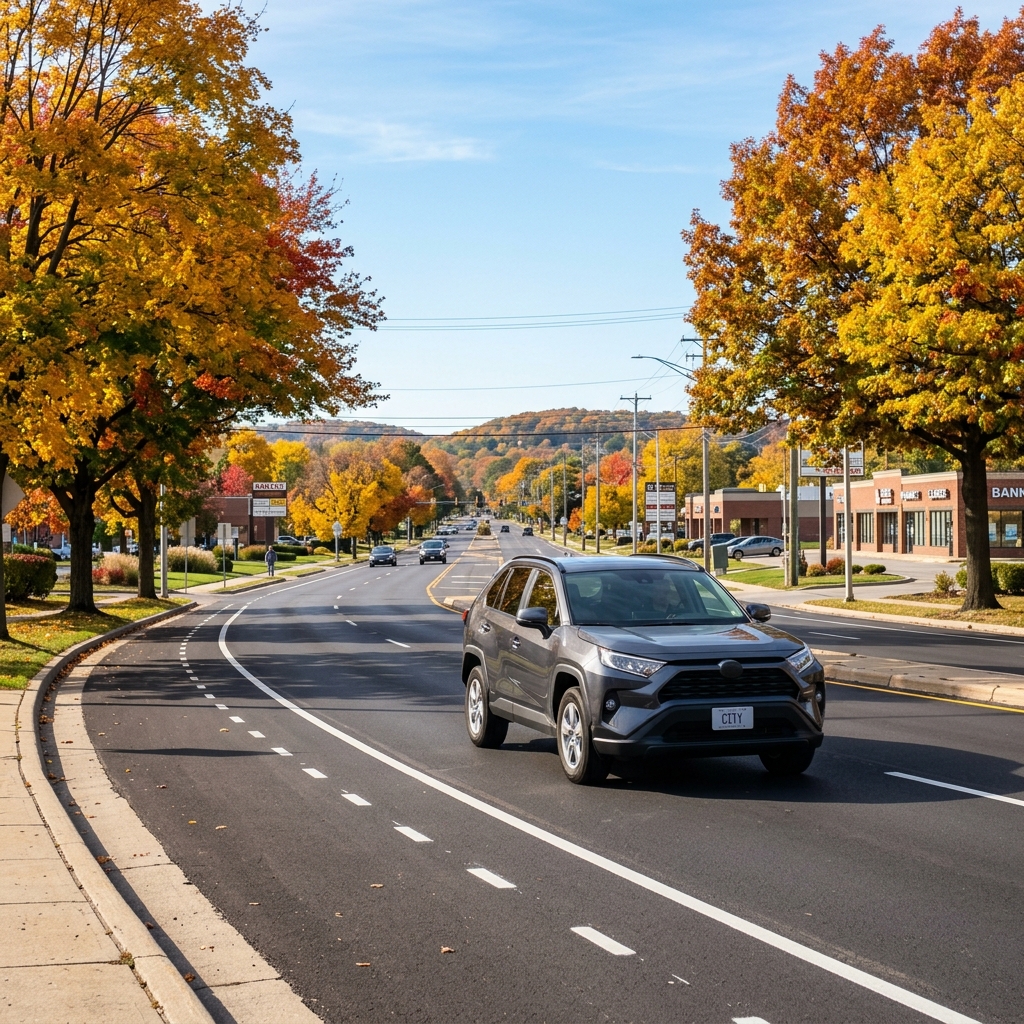
Real-world gas mileage varies significantly from EPA ratings due to factors like speed, driving habits, tire pressure, cargo weight, and weather. Aggressive acceleration, high speeds, underinflated tires, and cold temperatures can reduce fuel efficiency by up to 15%, while vehicle weight and aerodynamic drag also play key roles. Proper maintenance and smooth driving help optimize fuel economy in everyday conditions.
What Happens When You Decline Recommended Car Service?
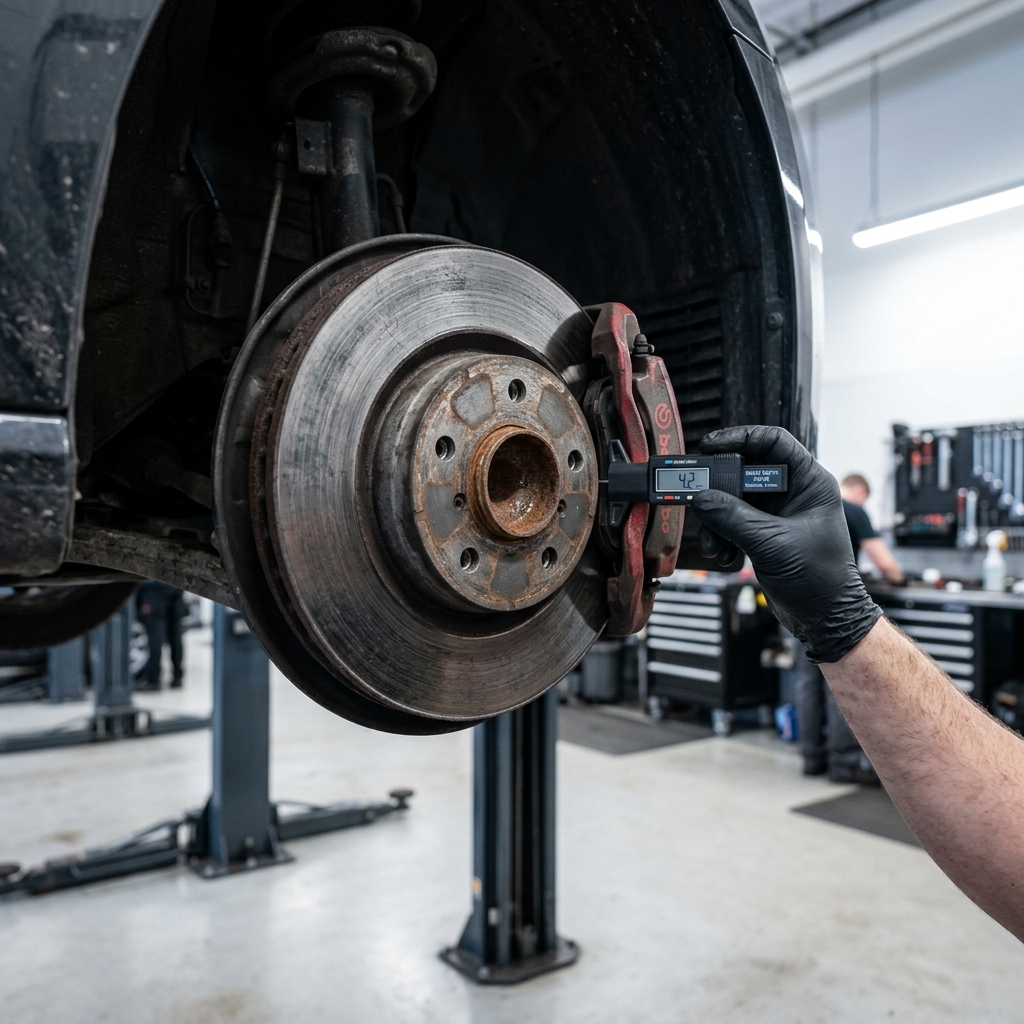
Declining recommended car service records the deferred tasks in the vehicle’s permanent history, increasing the risk of mechanical damage and higher future repair costs. Safety-critical components like brakes, tires, and belts should never be delayed, as neglect can lead to serious failures and warranty claim complications. Understanding which services require immediate attention helps protect vehicle reliability and warranty coverage.