Selling a Car After Tree Damage: Your Best Path Forward
## What to Do When a Tree Hits Your Car and You Want to Sell It
As a Sales Consultant here at Ken Ganley Buying Center, Boardman with over 10 years of experience, I have assisted many drivers navigating the stressful aftermath of unexpected vehicle damage. When a heavy oak branch or an entire trunk comes down on your vehicle, the initial shock can quickly turn into confusion about your options. You might find yourself wondering if you are stuck with a ruined vehicle or if you can actually convert it into cash. The straightforward answer is that you can absolutely sell a vehicle after it has been struck by a tree, regardless of whether it is slightly dented or completely flattened.
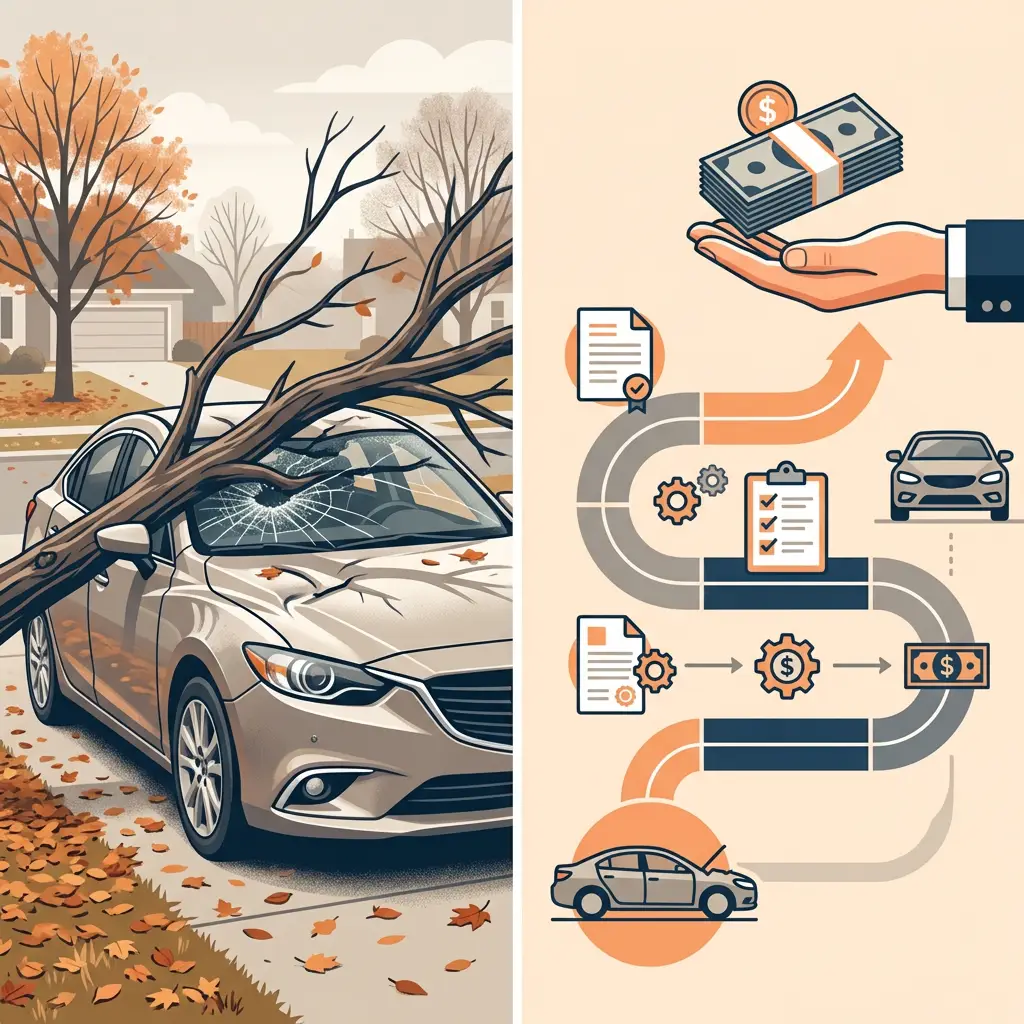
When such an incident occurs, your immediate steps will set the stage for how much money you can recover. First, ensure everyone is safe and avoid touching the vehicle if downed power lines are involved. Once it is safe, you should contact your insurer to start a claim and take detailed photos of the scene. If you decide that you do not want to deal with the hassle of fixing the bodywork, you can choose to bypass the body shop entirely and sell the vehicle as-is.
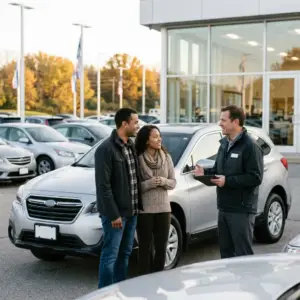
We specialize in making this transition as seamless as possible for local drivers. If you want to skip the stress of private buyers and long repair delays, you can sell your car directly to our team. For those who prefer to discuss their vehicle’s condition in person, you can easily get directions to our showroom at 7871 Market St, Boardman, OH 44512 to meet with an appraiser. If you have questions about the current state of your vehicle, feel free to give us a quick call at (330) 427-3656 to discuss your situation.
Table of Contents
- Understanding How Comprehensive Insurance Covers Fallen Tree Damage Before a Sale
- How Insurance Appraisers Determine the Value of a Tree Damaged Vehicle
- Calculating the Net Return on Repairing Your Car vs Selling It As-Is
- How to Document Tree Damage and Repair History for Future Buyers
- Trading In a Smashed or Non-Repairable Car at Ken Ganley Buying Center
Understanding How Comprehensive Insurance Covers Fallen Tree Damage Before a Sale
Let’s talk about how auto insurance policies handle this specific type of physical damage. When a tree or limb falls onto your parked vehicle, the incident is classified under the comprehensive coverage portion of your auto policy. Unlike collision coverage, which applies when your vehicle strikes another object or vehicle, comprehensive insurance is designed to protect you against “acts of nature” and falling objects. If you carry this optional coverage, your insurer will help pay for the necessary repairs, or reimburse you for the vehicle’s value if it is declared a total loss, minus your chosen deductible.
If you are planning to sell the vehicle immediately after the incident, you must coordinate carefully with your claims adjuster. You are not legally obligated to use the insurance payout to fix the vehicle; you can choose to keep the claim check and sell the damaged vehicle as-is. However, if your vehicle is currently financed or leased, your lienholder will likely require the vehicle to be fully repaired to protect their financial asset, or they will demand that the insurance payout be sent directly to them to pay down the remaining loan balance.
Navigating these insurance details while trying to sell your vehicle can feel overwhelming, but you do not have to figure it out alone. Our experienced team is always ready to help you coordinate with your insurance provider and explain how a pending claim affects your trade-in value. If you want to discuss your specific policy situation or get advice on how to handle a pending payout, please reach out to us through our online contact page to get the conversation started.
How Insurance Appraisers Determine the Value of a Tree Damaged Vehicle
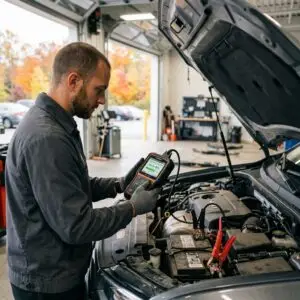
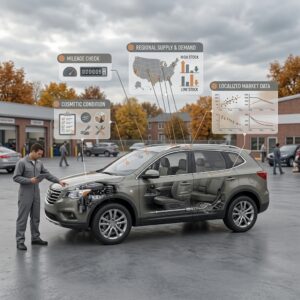
One thing I always tell customers about insurance assessments is that appraisers use a very specific set of criteria to calculate what your vehicle is worth after an incident. To establish the actual cash value of your vehicle prior to the tree strike, the appraiser evaluates local market data, the vehicle’s age, mileage, trim level, and its overall pre-accident condition. Once they have this baseline number, they will obtain a detailed repair estimate to determine if the vehicle is worth restoring or if it should be written off.
In Ohio, insurance companies do not rely on a simple flat-percentage threshold to declare a vehicle totaled. Instead, they utilize the Total Loss Formula, which dictates that a vehicle is declared a total loss when the estimated cost of repairs plus the salvage value of the damaged vehicle equals or exceeds the pre-loss actual cash value. If the vehicle is totaled, the insurer will typically offer you a settlement check for the actual cash value, minus your comprehensive deductible.
If you choose to keep the vehicle instead of letting the insurance company cart it away, the insurer will deduct the salvage value from your payout and issue you a salvage title. We receive many questions about how this designation affects future ownership and resale. To help you understand the legalities of salvage titles and how they operate under state guidelines, we have compiled detailed answers on our frequently asked questions page.
Calculating the Net Return on Repairing Your Car vs Selling It As-Is
Many customers wonder about the financial wisdom of repairing their vehicle versus selling it in its damaged state. To make an informed decision, you must calculate the net return of both paths. Start by obtaining a certified repair estimate from a reputable body shop, then research the clean retail value of your vehicle using trusted guides. Subtract the repair costs and any associated out-of-pocket expenses, such as rental vehicle fees, from the repaired retail value to find your estimated net return.
It is important to recognize that even after high-quality professional repairs, a vehicle’s market value is permanently affected by an accident history. Industry data shows that a documented accident can reduce a vehicle’s resale value by 10% to 40% depending on the severity of the structural damage. This phenomenon is known as diminished value, and it means you may not recoup the full pre-accident value of the vehicle when you eventually decide to sell it.
To help local drivers make these complex financial decisions, we regularly publish guides on market trends and vehicle valuation strategies. You can read more about how accident histories affect resale values and get expert tips on maximizing your vehicle’s worth by visiting our automotive blog. Comparing a guaranteed as-is cash offer against a depreciated post-repair value is often the quickest way to see which path saves you the most time and money.
How to Document Tree Damage and Repair History for Future Buyers
From my experience, transparency is the single most important factor when selling a vehicle that has sustained significant physical damage. If you decide to repair the vehicle before putting it on the market, you must keep meticulous records of the entire process. Future buyers will want to see the original insurance appraisal, the body shop’s itemized repair invoices, and receipts for all replacement parts used during the restoration.
Proper documentation is even more critical if the vehicle was declared a total loss and you chose to rebuild it. In Ohio, a totaled vehicle cannot be legally driven on public roads until it undergoes a physical safety inspection by the Ohio State Highway Patrol. Once it passes, it receives a permanent rebuilt salvage title. Having a comprehensive folder of photos showing the “before” damage, the repair process, and the final inspection certificate will reassure prospective buyers that the structural integrity of the vehicle was restored safely.
Providing this level of detail builds trust and helps justify your asking price. Drivers in Youngstown appreciate honesty, especially when shopping for pre-owned vehicles that will be used for daily commutes through the Mahoning Valley. To see how our commitment to transparent transactions has helped other local vehicle owners navigate difficult sales, you can read through our customer dealership reviews.
Trading In a Smashed or Non-Repairable Car at Ken Ganley Buying Center
This is something we see a lot with local drivers who want to avoid the headache of dealing with insurance delays and body shops altogether. If a fallen limb has severely damaged your vehicle, you do not have to spend weeks waiting on replacement body panels or navigating private sales. At Ken Ganley Buying Center Boardman, we buy vehicles in any condition, whether they are running, severely dented, or completely non-repairable.
Choosing to trade in your damaged vehicle allows you to bypass the stress of finding a niche private buyer who is willing to tow away a wrecked car. We offer a fast, transparent appraisal process that gives you a real cash offer in minutes, allowing you to walk away with money in hand or apply that value directly toward a reliable pre-owned vehicle. This is an ideal solution for busy families in Moon Township who need to replace a damaged commuter vehicle quickly without disrupting their daily school and work schedules.
We make the entire trade-in process incredibly simple and straightforward. You can bring your vehicle directly to our buying center, or if the vehicle is not drivable, you can contact us to coordinate the details. To get started today, stop by our showroom or get directions to our Boardman location to speak with an appraiser. You can also reach our buying team directly by calling (330) 427-3656 to discuss your vehicle’s condition and get a fast, honest offer.
© 2026 Ken Ganley Buying Center Boardman. All rights reserved.
While every effort has been made to ensure the accuracy of the information displayed on this website, the vehicle values, offers, and listings shown may not reflect all accurate vehicle details or current market conditions. Vehicle photos may be representative only and may not match the actual vehicle. All offers, appraisals, and transactions are subject to vehicle inspection, verification, and prior sale. Final purchase amounts may vary based on condition, equipment, history, and market factors. Please contact the Dealership for complete details and confirmation.
While every effort has been made to ensure the accuracy of the information displayed on this website, the vehicle values, offers, and listings shown may not reflect all accurate vehicle details or current market conditions. Vehicle photos may be representative only and may not match the actual vehicle. All offers, appraisals, and transactions are subject to vehicle inspection, verification, and prior sale. Final purchase amounts may vary based on condition, equipment, history, and market factors. Please contact the Dealership for complete details and confirmation.