Selling Your Car in Boardman: Expert Q&A with Derek Gainey
We sat down with Derek Gainey, the Customer Relations Manager at Ken Ganley Buying Center Boardman, to discuss the ins and outs of selling a vehicle. With 28 years of experience helping local drivers navigate the automotive market, Derek provides invaluable insights into getting the best value for your vehicle, organizing your paperwork, and avoiding common pitfalls. In this exclusive interview, you will learn how to prepare your vehicle for sale, understand state title transfer rules, and decide whether a private sale or dealership buy program is right for you.
How to Determine Your Car’s Market Value
Q: Derek, how should a driver begin figuring out what their vehicle is actually worth before they decide to sell?
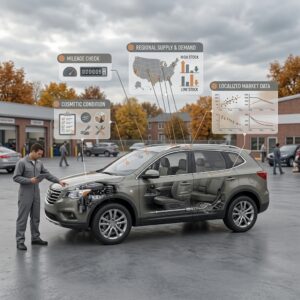
A: The very first step is to establish a realistic baseline using trusted online valuation tools. You will want to gather basic details about your vehicle, including the year, make, model, trim level, and exact mileage. If you are unsure of the specific trim, you can locate the 17-digit VIN on the lower driver-side corner of the windshield or on your insurance card. It is crucial to be entirely honest about the vehicle’s condition, factoring in any mechanical issues or cosmetic damage that will affect the final price.
When folks drive in from Youngstown, where the rolling hills of the Mahoning Valley can put extra wear on a vehicle’s brakes and suspension, they often ask about how daily wear affects their car’s value. I tell them that looking at local classified listings for similar vehicles provides a good private-party estimate, but you should also get professional appraisals. To get a head start on this process, you can easily use our online tool to sell your car and receive a competitive, real-time offer.
Table of Contents
- Private Party vs. Dealership Sales
- Essential Paperwork for Selling a Vehicle
- How to Legally Transfer a Car Title
- Common Mistakes to Avoid When Selling
- The Impact of Branded Titles and Accident History
- Custom Upgrades and Next Steps for Sellers
Private Party vs. Dealership Sales
Q: Many people debate whether they should list their vehicle on the private market or bring it straight to a dealership. How do those two options compare?
A: It really comes down to a trade-off between time and convenience. A private sale can sometimes yield a slightly higher transaction price, but it requires a significant amount of personal labor. You have to clean the vehicle, take high-quality photos, write detailed advertisements, filter out scammers, and coordinate test drives with complete strangers. It is a process that can easily drag on for several weeks or even months.
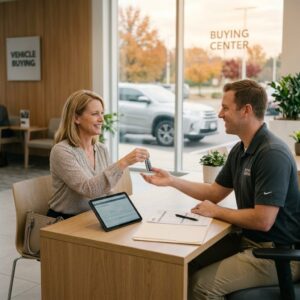
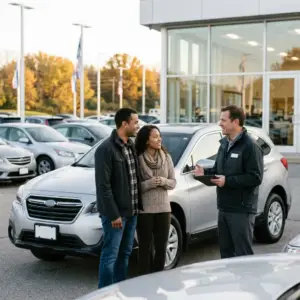
On the other hand, selling directly to a dealership is incredibly fast and secure, often wrapping up in a single afternoon. We handle all the complex paperwork, including title transfers and loan payoffs, which can be a major headache in a private sale if you still owe money on the vehicle. If you want to see how we prioritize a transparent and stress-free experience for our guests, you can read through our customer reviews to see how we support local families through the selling process.
Essential Paperwork for Selling a Vehicle
Q: What essential paperwork must a seller gather before they can successfully sell their vehicle?
A: Having your documents organized ahead of time prevents delays and builds immediate trust with any buyer. The single most important document is the physical certificate of title, which must be free of any unresolved liens. If you still owe money on a loan, you will need to contact your lender to obtain an official payoff amount and understand how they will release the title once the balance is settled.
For instance, a commuter driving a family vehicle in Moon Township near the airport might need to gather their maintenance records to prove the vehicle has been regularly serviced for those long highway trips. Showing a complete service history gives buyers immense peace of mind. You will also need a valid government-issued photo ID to complete the sale. If you have any questions about missing paperwork or complex title situations, feel free to contact our team directly so we can guide you through the requirements.
“A dealership transaction eliminates the risk of bad checks, late-night stranger meetings, and weeks of unanswered messages.”
How to Legally Transfer a Car Title
Q: Walk me through the actual steps required to legally transfer a car title in Ohio once a sale is agreed upon.
A: In Ohio, transferring a vehicle title is a formal legal process that requires careful attention to detail. Both the buyer and the seller must complete the transfer section on the back of the physical title. This includes writing the buyer’s full name and address, the exact purchase price, and the current odometer reading. Crucially, Ohio requires the seller’s signature on the title to be notarized, meaning you must sign the document in the presence of a certified notary public.
Once the title is signed and notarized, the buyer must take the document to a local county title office to finalize the transfer and obtain a new title in their name. Remember that license plates do not stay with the vehicle in Ohio; the seller must remove their plates before handing over the keys. For more details on state-specific regulations and what to expect during the transaction, you can browse our comprehensive frequently asked questions page.
Common Mistakes to Avoid When Selling
Q: What are the most frequent missteps you see sellers make that end up costing them time or money?
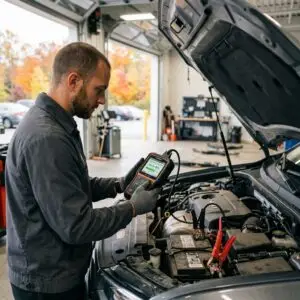
A: One of the biggest mistakes is setting an unrealistic asking price based on sentimental value rather than current market data. Overpricing a vehicle causes it to sit on the market, and the longer a listing remains active, the more suspicious buyers become. Another common error is failing to clean the vehicle thoroughly. A dirty interior or a dusty engine bay suggests neglect, which immediately drives down the perceived value of the car.
Sellers also frequently make the mistake of accepting unverified payment methods in private sales. Accepting personal checks or unverified cashier’s checks opens you up to severe fraud risks. It is always safest to conduct the financial transaction directly inside a bank branch where funds can be verified immediately. For more expert tips on preparing your vehicle and protecting yourself during a transaction, you can check out our latest educational articles on our dealership blog.
The Impact of Branded Titles and Accident History
Q: How do serious marks on a vehicle’s history, like a rebuilt title or past accidents, impact its market value?
A: A branded title or a documented accident history has a substantial impact on a vehicle’s resale value. A rebuilt or salvage title indicates that an insurance company previously declared the vehicle a total loss due to severe damage, theft, or flooding. Typically, a rebuilt title will reduce a vehicle’s market value by roughly 20% to 50% compared to an identical model with a clean history, as many buyers and lenders are hesitant to take on the associated risks.
You are legally and ethically obligated to disclose any known accident history or title brands when selling a car. Attempting to hide these details will quickly ruin a deal once the buyer runs a vehicle history report. While selling a salvage or rebuilt vehicle to a private buyer can be incredibly difficult, specialized buying centers and dealerships are often equipped to evaluate these vehicles and offer a fair cash value based on their remaining usable components.
Custom Upgrades and Next Steps for Sellers
Q: Do custom upgrades or aftermarket parts actually add to the vehicle’s resale value when it’s time to sell?
A: This is a very common misconception among enthusiasts. While custom wheels, aftermarket exhaust systems, or upgraded suspension kits can be expensive to install, they rarely add value to the vehicle’s resale price. In fact, most average buyers prefer vehicles in their original, factory-spec condition, and heavy modifications can actually shrink your pool of potential buyers.
If you are ready to bypass the stress of private listings, unverified checks, and endless negotiations, our team is here to help. You can bring your vehicle directly to our physical location at 7871 Market St, Boardman, OH 44512. To get started today, you can get directions to our buying center or simply give our professional team a call at (330) 427-3656 to schedule your in-person appraisal. Our team wants to buy your car, regardless of the make or model, and we are committed to providing a fast, transparent, and rewarding experience.
© 2026 Ken Ganley Buying Center Boardman. All rights reserved.
While every effort has been made to ensure the accuracy of the information displayed on this website, the vehicle values, offers, and listings shown may not reflect all accurate vehicle details or current market conditions. Vehicle photos may be representative only and may not match the actual vehicle. All offers, appraisals, and transactions are subject to vehicle inspection, verification, and prior sale. Final purchase amounts may vary based on condition, equipment, history, and market factors. Please contact the Dealership for complete details and confirmation.
While every effort has been made to ensure the accuracy of the information displayed on this website, the vehicle values, offers, and listings shown may not reflect all accurate vehicle details or current market conditions. Vehicle photos may be representative only and may not match the actual vehicle. All offers, appraisals, and transactions are subject to vehicle inspection, verification, and prior sale. Final purchase amounts may vary based on condition, equipment, history, and market factors. Please contact the Dealership for complete details and confirmation.