Expert Insights: The Impact of Missing Oil Changes on Your Car’s Resale Value
In this exclusive interview, we sit down with Travis, the Assistant General Manager at Ken Ganley Buying Center Boardman, to discuss a critical question many sellers face: does skipping that final oil change hurt your bottom line? With years of experience in vehicle appraisals and acquisitions, Travis explains how maintenance records translate directly into dollar amounts when it’s time to trade in or sell your vehicle.
Q: Travis, many of our customers in the Mahoning Valley wonder if it really matters to miss one last oil change right before they bring their car in for an appraisal. From a professional standpoint, how does that impact the offer?
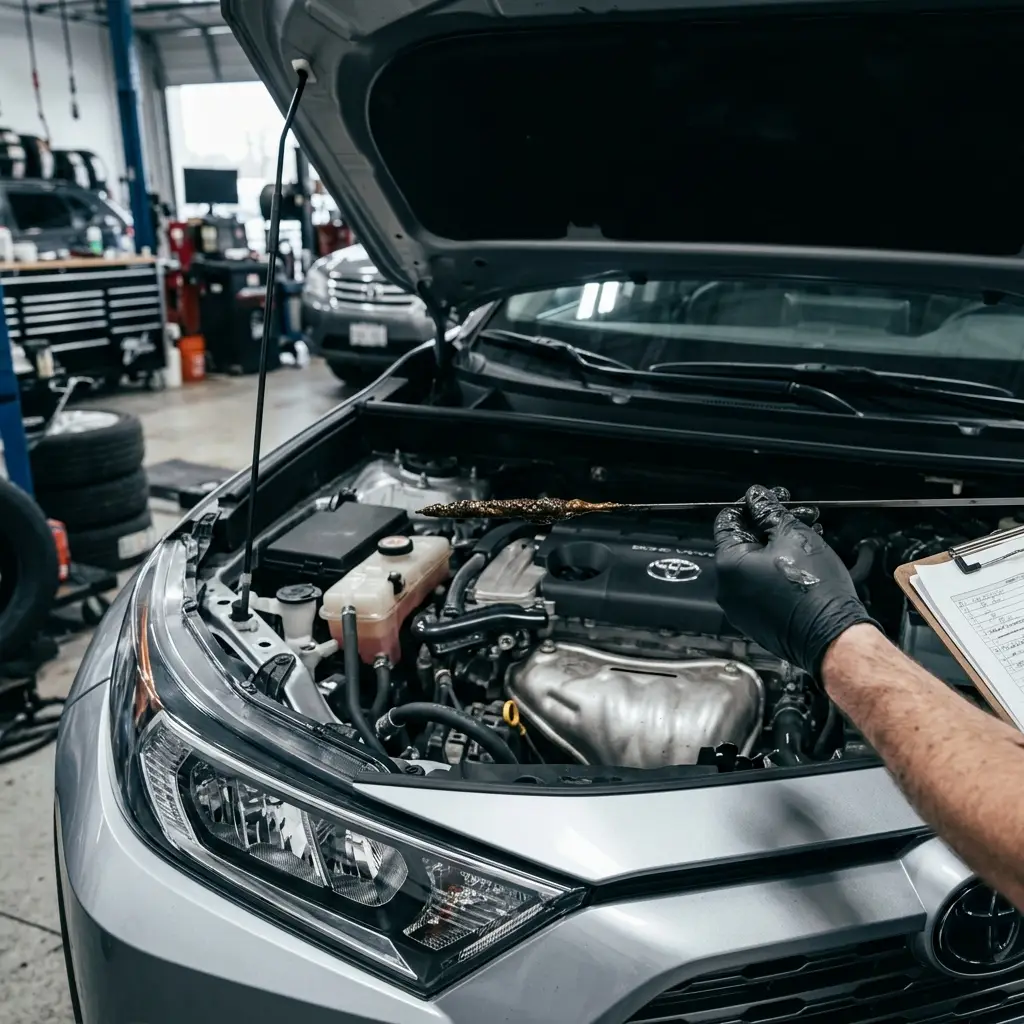
A: That is a question we hear quite often, especially from drivers navigating the urban landscape of Youngstown where daily stop-and-go traffic can be tough on an engine. When a vehicle comes in with a service light on or oil that looks like it hasn’t been touched in a year, it immediately signals a potential for **engine wear** that we have to account for in our valuation. Neglecting these intervals often leads to **sludge formation**, which is a thick, gel-like substance that restricts oil flow and can cause permanent damage to internal components. If you are looking to maximize your return, keeping that engine healthy is the most reliable way to ensure a high offer. If you have questions about your specific vehicle’s condition, you can always reach out to us at (330) 427-3656 or stop by our Boardman location to speak with an appraiser in person.
Q: Beyond just the immediate appraisal, is there a risk that missing an oil change could actually void the engine warranty before the sale even happens?
A: Absolutely, and this is a major point of concern for anyone selling a relatively new car. Manufacturers are very specific about maintenance intervals; for example, **conventional oil** is typically expected to be changed every 3,000 to 5,000 miles, while **synthetic oil** usually has a window of 5,000 to 7,500 miles. If a mechanical failure occurs and the **oil-life monitoring system** shows the vehicle was driven well past the 0% mark, the manufacturer may have grounds to deny a warranty claim. This effectively turns a covered repair into a massive out-of-pocket expense, which drastically lowers what we can pay for the car. When you are ready to move on from your current vehicle, our team makes it easy to sell your car regardless of its current service status, though a valid warranty always helps the price. You can see how we’ve handled these situations for other local sellers by reading our latest customer reviews online.
Q: Walk me through what happens when an appraiser sees a gap in the service history. How does that translate to the direct effect on the resale appraisal?
A: When we sit down to evaluate a car, we aren’t just looking at the paint and the tires; we are looking for evidence of a responsible ownership history. A car with documented 5,000-mile intervals using high-quality **synthetic motor oil** is a car we can sell with confidence, often seeing **HEMI engines** and other robust powerplants reaching 200,000 or even 300,000 miles because of that care. If those records are missing, we have to assume the worst-case scenario regarding internal wear. This uncertainty forces an appraiser to hedge the offer downward to cover the risk of future engine trouble. We frequently share tips on maintaining vehicle value on our automotive blog, because we want our neighbors to get every cent their car is worth when they finally decide to trade it in.
“When maintenance records are missing, we have to assume the worst-case scenario regarding internal wear, which naturally forces the appraisal offer downward.”
Q: Travis, what about the digital footprint? Will a single missing oil change entry on a Carfax report actually lower the trade-in value?
A: One single missed entry usually isn’t a deal-breaker, but it is the pattern that matters most. If the **Carfax** report shows a consistent history and then a sudden 15,000-mile gap, it raises a red flag for professional buyers and future owners alike. A consistent pattern of irregular maintenance can lower buyer confidence, leading to lower offers or a vehicle that sits on the lot longer than it should. We get asked about this a lot in our frequently asked questions section, but the bottom line is that transparency is your best friend. If you missed a shop visit but did the work yourself, keep the receipts for the oil and filter to bridge that gap in the digital record.
Q: For someone commuting from Moon Township every day, is it actually worth paying for an oil change right before they pull onto our lot to trade the car in?
A: For a commuter who might be putting heavy highway miles on their vehicle, a fresh oil change can be a very smart investment. It ensures the engine runs as smoothly and quietly as possible during the appraisal test drive, which creates a much better first impression. An engine that sounds “tappety” or rough because of old, thin oil will immediately result in a lower valuation. Even if you don’t do it yourself, having a fresh receipt from a local shop can help support a higher offer by proving the car is ready for the next owner without immediate work. If you are unsure if your car needs a quick tune-up before you visit, feel free to contact our experts and we can give you an honest opinion based on your mileage and vehicle type.
Q: Finally, do those old-fashioned handwritten maintenance logs actually hold any weight with professional appraisers like yourself?
A: While they aren’t as authoritative as a stamped invoice from a certified facility, a detailed handwritten log is far better than nothing at all. If a seller can show me a notebook with dates, mileages, and attached parts receipts, it tells me they cared about the vehicle. It provides a level of **resale value** protection because it demonstrates a commitment to longevity. We see this often with long-time residents who take immense pride in their vehicles. If you want to show us your records and get a real-world value for your car, we invite you to visit us at Ken Ganley Buying Center Boardman where we prioritize transparency and fair market offers for every member of our community.
As Travis explained, the small cost of an oil change can prevent significant deductions during the appraisal process. Whether you are driving a high-mileage work truck or a late-model family SUV, maintaining a clear service history is the most effective way to protect your investment. At Ken Ganley Buying Center Boardman, we are committed to providing honest, transparent valuations for every vehicle that comes through our doors. If you are ready to see what your car is worth, our knowledgeable team is here to help you navigate the process with confidence and ease.
While every effort has been made to ensure the accuracy of the information displayed on this website, the vehicle values, offers, and listings shown may not reflect all accurate vehicle details or current market conditions. Vehicle photos may be representative only and may not match the actual vehicle. All offers, appraisals, and transactions are subject to vehicle inspection, verification, and prior sale. Final purchase amounts may vary based on condition, equipment, history, and market factors. Please contact the Dealership for complete details and confirmation.