
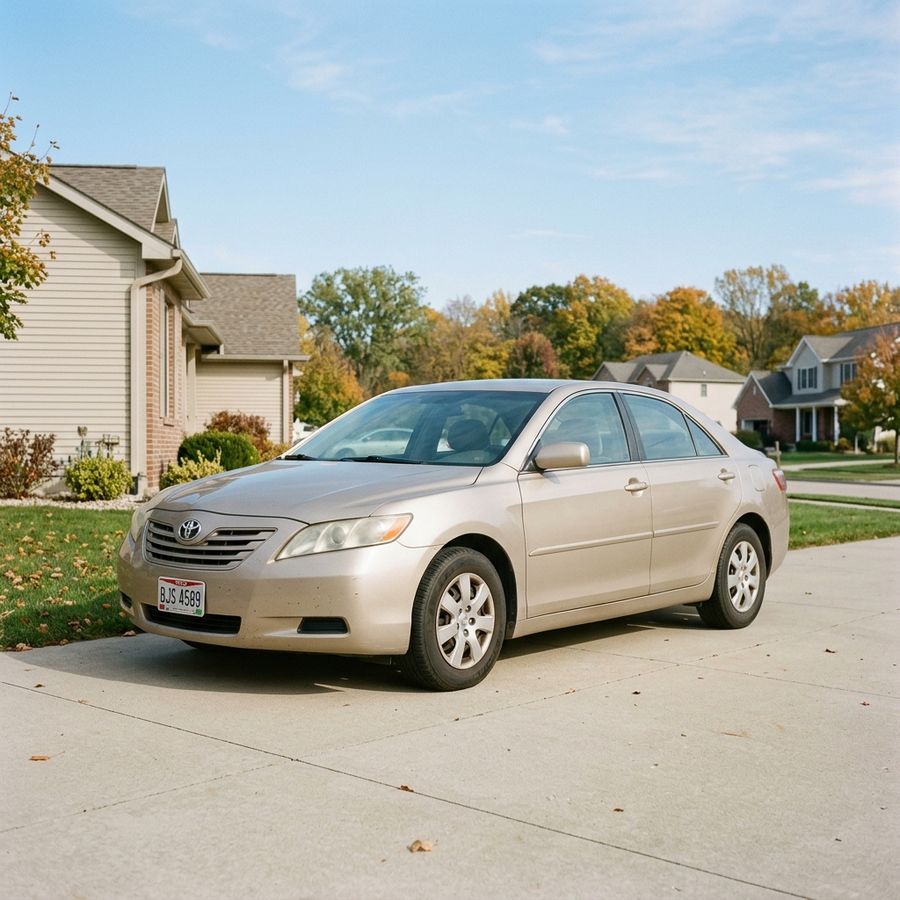
Selling Your Scrap Car in Ohio: Expert Q&A with Ken Ganley Buying Center Boardman
To sell a scrap car in Ohio for a fair value, you need to sign over a valid certificate of title free of liens, leave major high-value components intact, and work with an established vehicle buyer offering buyer payments. Today, we sit down with Derek Gainey, Customer Relations Manager at Ken Ganley Buying Center Boardman, who brings 28 years of automotive experience to explain how local vehicle owners can turn unwanted or non-running cars into cash cleanly and securely.
Q: How Can I Sell My Scrap Car for a fair value in Boardman Township?
A: Selling a scrap or end-of-life vehicle for maximum return requires securing your physical title, keeping major parts intact, and choosing a dedicated vehicle purchasing facility over a basic scrap metal shredder yard. When a vehicle reaches the end of its road life, many owners assume their only option is to call a junkyard to take it away for a lower amount. Working with a professional buying facility ensures your vehicle is evaluated as a complete automobile rather than strictly as raw crushed metal, which directly translates into a higher offer.
The first step in the process is gathering the proper documentation. Under state regulations, a clean transfer cannot occur without a valid title in the legal owner’s name. Once your title is ready, you can get a competitive appraisal by calling our team or visiting our showroom directly. For local residents navigating busy suburban corridors around Boardman Plaza, dropping by for an in-person assessment or taking advantage of direct vehicle valuation streamlines the entire transaction into a single, hassle-free visit.
Before signing off on any offer, verify that the buyer provides straightforward payment without hidden towing deductions or processing administrative fees. You can review our guide on selling your vehicle in Ohio to understand how title assignments work before visiting our team. If you have questions about bringing your car in today, giving our team a quick call will connect you directly with our specialists, or you can plan a visit to our Market Street location to get an evaluation underway.
Q: Will a Dealership Take a Non-Running Car as a Trade-In?
A: Professional dealerships and dedicated buying centers accept non-running cars as trade-ins, evaluating them based on wholesale scrap metal weight, usable mechanical assemblies, or salvage market demand. Many vehicle owners assume a car that will not start or requires costly engine repairs has zero trade-in value at a retail lot. That assumption often leads drivers to give away valuable equity to tow companies or quick-cash salvage operations.
When you bring a non-running vehicle to our buying center as a trade, we look at the entire vehicle profile rather than treating it purely as junk. Even if the powertrain is non-operational, secondary assemblies like body panels, glass, undamaged interior components, and specialized electronics hold genuine recycling and salvage market value. Factoring those elements into a fair wholesale offer allows you to apply that money directly toward your next vehicle purchase.
For workers commuting along industrial corridors through Youngstown, replacing an unreliable commuter vehicle with something dependable is often urgent. Applying the equity from a non-running vehicle helps reduce your down payment when upgrading your daily drive. You can easily browse our selection of quality pre-owned inventory to see how applying your non-running vehicle’s trade value makes getting into a newer, safer vehicle straightforward and affordable.
Q: How Much Is a Scrap Car Worth on Average in 2026?
A: An end-of-life scrap car brings between an estimated range on average based strictly on metal weight, but complete vehicles with intact components like catalytic converters and batteries command significantly higher payouts. Raw metal buyers pay based on current benchmark rates, where heavy melting steel trades around an estimated $300 per ton and complete auto scrap averages roughly an estimated $360 per ton. Because a typical midsize passenger sedan weighs between 3,000 and 4,000 pounds, its baseline scrap metal value settles around a few hundred dollars.
“When people realize an intact vehicle carries valuable reusable parts beyond basic steel weight, they get a much fairer deal.”
However, looking strictly at tonnage figures leaves money on the table. Complete vehicles contain non-ferrous metals such as aluminum wheels, radiator cores, and copper wiring harnesses that boost overall vehicle worth. Furthermore, an original, undamaged catalytic converter adds an estimated $50 to $250 or more in recoverable precious metal value on top of the raw iron chassis pricing.
When evaluating your options, local sellers benefit from reviewing how direct buying outlets structure payouts compared to regional junk yards. Taking time to read about comparing national online buyers with a local buying center shows why dealing locally avoids third party transport fees that erode your final check.
Q: How Do You Get the Most Money for a Junk or End-of-Life Vehicle?
A: Maximizing your payout requires keeping all major mechanical systems intact, securing free vehicle pickup, and selling directly to a licensed buying facility rather than an unlicensed middleman. The single biggest mistake vehicle owners make when prepping a car for scrap is stripping out parts beforehand. While selling individual components like headlights or alternators online sounds lucrative, removing key assemblies severely lowers the overall offer from reputable buyers who prefer purchasing complete vehicles.
Another crucial factor in protecting your payout is avoiding third party towing costs. Many independent junkyards or online lead-generation websites quote a seemingly high price over the phone, only to deduct hefty towing charges once the truck arrives at your driveway. Ensuring that inspection, paperwork processing, and vehicle transport are completely free guarantees that the offer you accept matches the check handed to you.
Finally, deal directly with an established local buying center rather than secondary brokers. Lead generation sites take a cut of the vehicle value simply for matching you with a local yard. By bringing your vehicle or title directly to our professional buying team, you eliminate broker commissions and secure a transparent, instant payment on the spot.
Q: What Are the Legal Title Requirements and License Plate Rules in Ohio?
A: Ohio law requires a valid, original certificate of title signed over to the buyer to legally sell or scrap a car, and vehicle owners must remove their license plates prior to transferring ownership. State regulations strict prohibit scrap yards and vehicle buyers from purchasing cars without proper proof of legal ownership. If you have misplaced your original physical document, you must file BMV Form 3774 at a local Clerk of Courts title office to obtain a duplicate title before completing the sale.
Additionally, any existing financial liens must be fully satisfied and officially stamped as released on the face of the title. If an outstanding loan remains on the vehicle records, the Clerk of Courts cannot process a clean title transfer to the buying facility. Resolving active balances with your lender ensures the title transfer proceeds smoothly without administrative delays.
Regarding your license plates, state protocol dictates that registration plates remain with the seller, not the vehicle. You should remove both front and rear plates before the tow truck leaves or before handing over the keys at our lot. You can then visit a deputy registrar office to transfer those plates to another vehicle you own or formally cancel the registration.
Q: Do You Need to Drain Vehicle Fluids or Prep a Scrap Car Before Pickup?
A: Vehicle owners do not need to drain motor oil, transmission fluid, radiator coolant, or fuel before pickup because licensed vehicle buyers and recyclers handle fluid recovery during formal facility intake. Commercial auto recyclers operate specialized fluid extraction stations designed to safely capture and process hazardous materials in compliance with environmental standards. Attempting to drain fluids in a home driveway creates unnecessary spill risks and safety hazards.
Your primary responsibility when prepping the car is conducting a thorough sweep for personal belongings. Double-check glove boxes, center consoles, door pockets, and underneath seats for important items like physical registration papers, garage door openers, tools, or personal electronics. Once ownership transfers and the car enters the recycling pipeline, retrieving forgotten personal items becomes extremely difficult.
When you are ready to turn your old or non-running vehicle into immediate cash, our experienced team is here to handle every detail cleanly and professionally. You can give our team a direct call today to receive an instant appraisal, or stop by our Boardman showroom address to complete your sale and walk away with payment in hand.
© 2026 Ken Ganley Buying Center Boardman. All rights reserved.
While every effort has been made to ensure the accuracy of the information displayed on this website, the vehicle values, offers, and listings shown may not reflect all accurate vehicle details or current market conditions. Vehicle photos may be representative only and may not match the actual vehicle. All offers, appraisals, and transactions are subject to vehicle inspection, verification, and prior sale. Final purchase amounts may vary based on condition, equipment, history, and market factors. Please contact the Dealership for complete details and confirmation.


