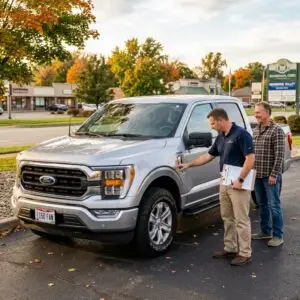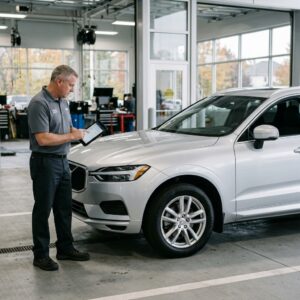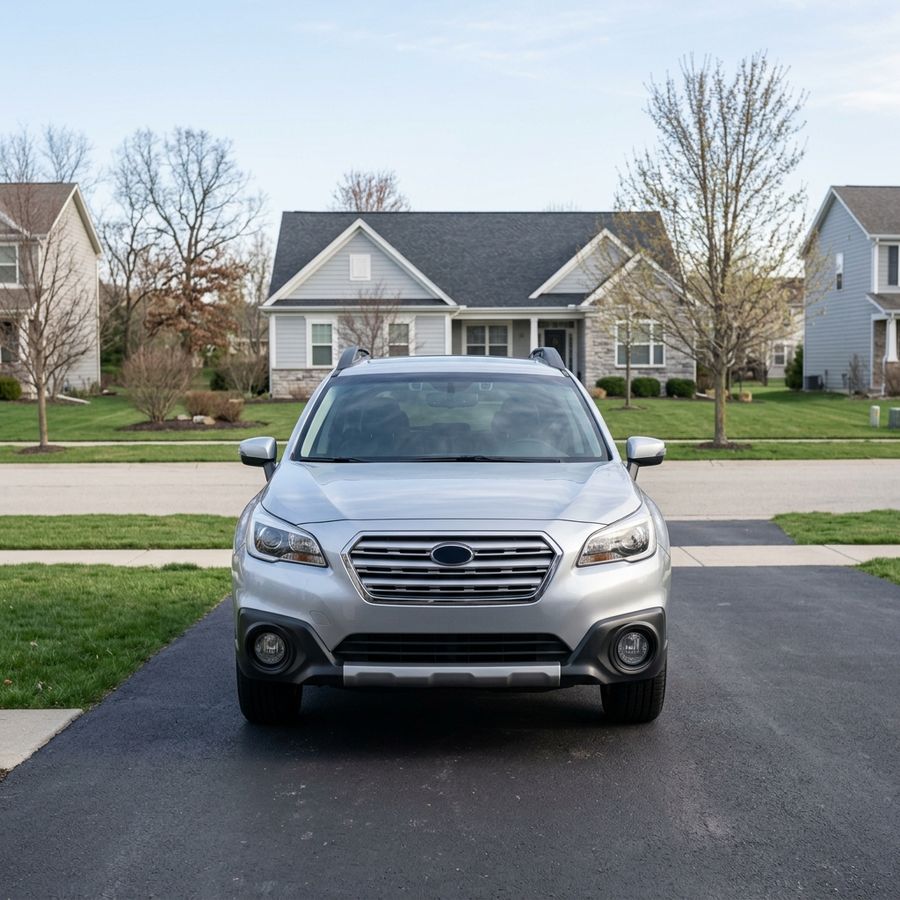
The best time to sell a used car is during late spring and early summer—specifically April through June—when consumer buyer demand peaks and IRS tax refund payouts bolster cash down payments. Nationally, April generates average private-party and trade-in valuations roughly 4% to 6% above the annual median and 8% higher than winter lows, making spring the optimal calendar window to maximize value.
Tax refund season plays a massive role in creating this profitable window. Payouts distributed from February through April directly increase buyer liquidity across the pre-owned vehicle market. This influx of cash allows buyers to make larger down payments, which drives up retail shopping traffic and creates strong wholesale demand for quality used cars, trucks, and SUVs.
While spring is nationally recognized as the absolute high point for resale pricing, late summer also offers a highly advantageous selling window. Liquidating an extra vehicle before incoming next-model-year supply arrives allows sellers to secure a strong value before autumnal depreciation adjustments take effect. Dealerships actively restock their pre-owned lots during this time to meet ongoing commuter demand, creating an efficient environment for sellers wanting an prompt valuation.
If you are ready to explore your options today, you can visit our Market Street location for an in-person assessment, or give our appraisers a quick call to discuss your vehicle details.
Table of Contents
- Which Months Statistically Yield the Highest Sale Prices for Used Vehicles?
- How Does the Late-Summer Market Window Impact Trade Values in Boardman Township?
- How Do Seasonal Climate Changes Affect Demand for Sports Cars, Convertibles, and All-Wheel Drive Vehicles?
- At What Odometer Thresholds Do Vehicles Experience the Highest Depreciation Drop?
- How Much Value Does a New Vehicle Lose Over Its First Five Years?
- Which Minor Repairs and Cosmetic Improvements Deliver the Highest Return on Resale Value?
- What Is the Best Day of the Week to Sell Your Vehicle and How Does an Instant Offer Work?
- Frequently Asked Questions About Selling Your Used Car
- Get Top Cash Value for Your Vehicle at Ken Ganley Buying Center
Which Months Statistically Yield the Highest Sale Prices for Used Vehicles?
Historical transaction data reveals that April yields the highest average resale prices for used vehicles, while May posts the shortest turn times with a median sell speed of 22 days. Across millions of nationwide sales transactions, the March through June stretch consistently delivers the strongest financial return, whereas November through February represents the softest pricing window.
Seasonal market cycles directly influence how quickly pre-owned vehicles move off dealer lots and what buyers are willing to pay. During the early spring months, retail demand accelerates as warmer weather encourages test drives and outdoor shopping. High turnover rates during April and May force acquisition teams to pay higher wholesale prices to maintain sufficient lot inventory.
In contrast, the late fall and winter months bring reduced foot traffic and shifting consumer spending priorities toward holiday expenses. Pre-owned inventory levels tend to rise during late autumn as new-model trade-ins accumulate, creating oversupply relative to buyer demand. Consequently, vehicles sold between November and February encounter higher holding costs and more conservative valuation models.
| Season | Key Buyer Demand Drivers | Market Pricing Trend | Average Inventory Turn Time |
|---|---|---|---|
| Spring (March – May) | Tax refunds, warm weather shopping, strong down payments | Peak pricing ( 4% – 6% above median) | Fastest (approx. 22 days) |
| Summer (June – August) | Travel season, late-summer vehicle upgrades | Strong to steady valuation | Moderate (approx. 28 – 32 days) |
| Fall (September – October) | Pre-winter vehicle prep, next-model-year rollouts | Moderating valuations | Slowing (approx. 35 days) |
| Winter (November – February) | Holiday spending focus, severe weather slowdowns | Lowest pricing (approx. 8% below spring) | Slowest (approx. 40 days) |
Sellers aiming to capitalize on high demand can browse our pre-owned inventory selection to see which vehicle categories currently command premium valuations in our regional market.
How Does the Late-Summer Market Window Impact Trade Values in Boardman Township?
Selling an extra vehicle in late August or early September captures high late-summer buyer interest right before incoming next-model-year inventory arrives and depresses pre-owned wholesale values. Local trade values tend to soften heading into late autumn as dealerships clear lot space and prepare for winter holding costs.
For suburban commuter families in Boardman Township making space near Boardman Plaza before school schedules and extracurricular routines kick into high gear, conducting a late-summer driveway audit is a practical financial strategy. Holding an unused second car or spare SUV through the winter exposes the vehicle to harsh freezing rain, road salt, and cold-weather battery stress, all of which erode resale equity before spring arrives.
Liquidating an underutilized vehicle before autumn also eliminates recurring ownership expenses. Ongoing auto insurance premiums, registration renewals, and upcoming seasonal maintenance costs quickly erode any theoretical gains from waiting until the following year. Getting a firm valuation in late summer allows owners to convert dormant driveway assets into immediate cash or equity for other household priorities.
Vehicle owners looking to take advantage of current market demand can value your trade-in online to establish an accurate, real-time baseline before seasonal shifts occur.
How Do Seasonal Climate Changes Affect Demand for Sports Cars, Convertibles, and All-Wheel Drive Vehicles?
Seasonal weather shifts cause convertibles and sports cars to peak in value between April and June, while vehicles equipped with all-wheel drive or four-wheel drive see their strongest relative demand and pricing power from late September through January. Vehicle body style and drivetrain directly determine the most profitable month to sell.
Performance vehicles and two-seat convertibles experience a predictable surge in interest as spring temperatures rise. Buyer enthusiasm for open-air driving peaks early in the warm season, allowing sellers of sports cars to command top-tier pricing from April through June. By September, retail interest in pleasure vehicles drops significantly, leading to steep valuation write-downs during winter months.
Conversely, trucks and crossovers designed to handle severe winter conditions behave in the exact opposite manner. Commuters navigating the Mahoning Valley winter weather shifts around Youngstown actively seek out models featuring all-wheel drive, high ground clearance, and cold-weather amenities like heated seats. Selling a winter-ready crossover in autumn allows sellers to capitalize on heightened seasonal anxiety before snowfall begins.
- Sports Cars & Convertibles: Sell between April and June for maximum buyer demand; market demand drops sharply by October.
- Trucks & AWD Crossovers: Sell between September and January when buyers actively prepare for winter road conditions.
- Fuel-Efficient Commuter Sedans: Maintain steady year-round valuation, with modest bumps during spring tax season and late-summer back-to-school periods.
At What Odometer Thresholds Do Vehicles Experience the Highest Depreciation Drop?
Vehicles experience their sharpest depreciation drops at major odometer milestones, specifically 30,000 miles, 60,000 miles, and 100,000 miles. Exceeding these key figures triggers psychological buyer resistance and aligns with major out-of-warranty transitions and mandatory factory maintenance intervals.
Crossing the six-digit threshold at 100,000 miles represents the single largest valuation drop in a vehicle’s lifespan. Many retail buyers and commercial lending guidelines filter out vehicles above six figures, reducing the pool of eligible buyers. Additionally, passing 30,000 miles or 60,000 miles often coincides with the expiration of factory coverage. Bumper-to-bumper factory warranties typically expire at 3 years or 36,000 miles, while powertrain warranties commonly conclude at 5 years or 60,000 miles.
Accumulating excessive mileage relative to vehicle age also accelerates value loss. Industry standards baseline normal driving at 12,000 miles per year. Exceeding this baseline by roughly 10,000 miles over a given period typically penalizes appraisal valuations by an additional 10% to 15%.
When vehicle owners ask our appraisers about timing, we usually suggest evaluating trade offers before hitting six-digit odometer numbers, as crossing that milestone creates an immediate downward step in wholesale value.
How Much Value Does a New Vehicle Lose Over Its First Five Years?
A new vehicle loses approximately 20% to 30% of its original purchase value in its first year and roughly 40% to 50% of its value after five years. Depreciation settles into a predictable pattern of 8% to 12% annually between years three and five after sharper initial drops.
The standard five-year depreciation curve follows a consistent trajectory across most passenger vehicle segments:
- Year 1: 20% to 30% total depreciation drop immediately upon taking delivery and driving off the lot.
- Year 2: Additional 10% to 15% decline in value as the vehicle shifts into the secondary market.
- Years 3 through 5: Annual depreciation levels off to a steady rate of 8% to 12% per year.
Understanding this curve helps owners pinpoint the optimal ownership sweet spot. Selling a vehicle between month 36 and month 48 allows the owner to enjoy the most reliable years of the vehicle’s lifespan while avoiding the steep initial drop of year one and the major maintenance hurdles that emerge after year five.
Which Minor Repairs and Cosmetic Improvements Deliver the Highest Return on Resale Value?
Professional interior detailing, headlight lens restoration, windshield wiper replacement, and repairing minor paint scuffs or small paintless dents offer the highest dollar-for-dollar return on resale value. These low-cost cosmetic updates eliminate immediate visual red flags and prevent appraisers from categorizing a vehicle in lower condition tiers.
First impressions carry substantial weight during an appraisal inspection. A clean vehicle free of cabin odors, carpet stains, and dog hair signals to appraisers that the previous owner maintained the vehicle mechanically. Spending a modest amount on professional detailing can yield a return several times higher than the upfront cost by elevating the overall condition score from average to excellent.
Addressing minor hardware details also protects vehicle equity:
- Replacing Missing Key Fobs: Providing two original keys avoids an immediate appraisal deduction for key replacement and programming costs.
- Restoring Cloudy Headlights: Clear headlight lenses instantly improve the visual age and curb appeal of the vehicle.
- Gathering Service Documentation: Presenting documented oil changes and maintenance records gives appraisers confidence in engine and transmission health.
- Fixing Minor Glass Chips: Repairing windshield chips before they expand into cracks prevents costly full-windshield replacement deductions.
Conversely, undertaking major mechanical overhauls—such as installing a new transmission or replacing major suspension assemblies—rarely yields a full return on investment right before selling. It is far more cost-effective to fix low-cost visual flaws and let the buying center handle major reconditioning.
What Is the Best Day of the Week to Sell Your Vehicle and How Does an Instant Offer Work?
Listing or bringing a vehicle in for sale on Thursday or Friday yields the best results because dealership buyers and private shoppers actively source inventory heading into peak weekend purchasing windows. An instant cash offer utilizes market algorithms to establish a baseline valuation, which our physical appraisal team can then adjust upward based on real-time local demand and specific vehicle condition.
Selling directly to a professional buying center eliminates the risks and delays associated with private sales. Private listings require creating advertisements, responding to inquiries, scheduling test drives with strangers, and navigating state title documentation alone. Working with our dedicated buying team streamlines the transaction into a single, straightforward visit.
Our team handles the administrative paperwork on-site, including verifying vehicle titles, contacting lienholders to secure exact loan payoff quotes, and issuing direct payment. This transparent process guarantees a secure transaction without the hassle of unverified checks or delayed bank transfers.
Frequently Asked Questions About Selling Your Used Car
For additional information on appraisal steps, required title paperwork, and trade-in valuations, check out our frequently asked questions page.
Q: How does an outstanding auto loan affect the timeline for selling a used car?
Having an active auto loan does not delay the sale of your vehicle when working with an authorized buying center. Our team contacts your lender directly to obtain an official payoff statement, processes the required payment to satisfy the lien balance, and hands you a check for the remaining positive equity in a single transaction.
Q: Is it better to sell an extra car before or after the new model year vehicles arrive?
Selling your extra vehicle before next-model-year inventory arrives in late autumn yields a higher payout. Once new models hit dealer lots, previous model years experience an immediate step-down in market valuation, causing pre-owned wholesale trade offers to soften across all buyer segments.
Q: What paperwork should I bring to complete a vehicle sale in a single visit?
To finalize your sale in one visit, bring the original physical vehicle title or current lien payoff details, valid state-issued photo identification, current vehicle registration, all keys and key fobs, and owner’s manuals. Having these items organized ensures immediate processing and instant check issuance.
Q: Does having a complete maintenance record increase my trade-in estimate?
Presenting a clear record of regular oil changes, brake inspections, and scheduled service receipts increases your trade-in estimate. Documented maintenance proves to appraisers that the engine and drivetrain received proper care, reducing mechanical risk and elevating the vehicle’s final condition rating.
Q: Why do used vehicle cash offers fluctuate between winter and spring?
Used vehicle cash offers fluctuate seasonally because retail buying activity surges in spring due to tax refund payouts and pleasant weather. High spring demand accelerates inventory turnover, prompting buyers to offer higher wholesale prices, whereas winter slowdowns increase dealer holding costs and depress appraisal offers.
Get Top Cash Value for Your Vehicle at Ken Ganley Buying Center
When you are ready to sell your car, truck, or SUV, working with our local buying team ensures a straightforward process backed by real-time market data. We purchase all makes and models regardless of age or mileage, delivering fast, current offers without the high-pressure sales tactics found elsewhere. Skip the stress of private listings and let our professional appraisers evaluate your vehicle today.
Our team is dedicated to providing complete transparency from start to finish. We handle all state title documentation, loan payoff coordination, and registration transfers on-site so you can walk away with payment in hand. Whether you want to clear driveway space before seasonal weather shifts or cash in on your vehicle’s peak equity window, we are here to help.
Get started now by visiting our main vehicle buying center portal to submit your vehicle details, drop by our Boardman buying center for an in-person evaluation, or give us a quick call to speak directly with an appraiser today.
© 2026 Ken Ganley Buying Center Boardman. All rights reserved.
While every effort has been made to ensure the accuracy of the information displayed on this website, the vehicle values, offers, and listings shown may not reflect all accurate vehicle details or current market conditions. Vehicle photos may be representative only and may not match the actual vehicle. All offers, appraisals, and transactions are subject to vehicle inspection, verification, and prior sale. Final purchase amounts may vary based on condition, equipment, history, and market factors. Please contact the Dealership for complete details and confirmation.