Navigating the sale of a vehicle while managing an outstanding auto loan can feel like a complex puzzle for many drivers. To provide clarity on this essential topic, we sat down with the Sales Manager at Ken Ganley Buying Center Boardman, who brings years of expertise in helping customers transition out of financed vehicles and into their next purchase. In this interview, he breaks down the legalities of lien releases, the reality of negative equity, and the streamlined steps available to make the process as simple as possible for local families.
Q: Can I sell my car if I still owe money on the loan?
A: That is a question we hear quite frequently, and the answer is a definitive yes. You can absolutely sell a vehicle that still has a balance on the loan, but the key is understanding that the auto loan must be satisfied in full before the lender will release the lien. Because the financial institution has a legal claim to the car, they won’t sign off on the title until that debt is gone. When you work with a professional team like ours, we handle the heavy lifting by contacting your lender directly to secure a payoff amount, which is the exact figure needed to retire the debt, often calculated as a 10-day payoff to account for processing time.
Selling privately while owing money is certainly possible, but it requires a high level of coordination between you, your buyer, and your bank. Most buyers are hesitant to hand over cash without receiving the title immediately, which is why many lenders require these transactions to take place at a local branch. If you want to skip that logistical headache, you can sell your car directly to us. We specialize in these scenarios, paying the lender on your behalf and managing all the state-required odometer disclosure and transfer paperwork so you don’t have to spend your weekend at the bank.
If you have questions about your specific situation or want to know how the process works for your particular lender, you can always give our office (330) 427-3656 a quick call. We are conveniently located for those traveling through the Mahoning Valley, and you can find our Boardman location easily to speak with a specialist in person. Our goal is to ensure that your lien release is handled correctly the first time, protecting your credit and your peace of mind.
Q: How do I know if I have positive or negative equity?
A: Determining your equity position is a straightforward math problem that every seller should solve before they list their vehicle. You start by finding the current market value of your car—which is what it is actually worth in today’s climate—and then you subtract your current loan balance. If the vehicle is worth more than you owe, you have positive equity, which acts just like cash toward your next purchase. However, if the payoff amount is higher than the car’s value, you are in a position of negative equity, often referred to as being underwater or upside down on the loan.
I often suggest that drivers look at local resale value trends rather than national averages, as demand in our region can differ from other parts of the country. For example, a reliable all-wheel drive SUV might hold its value better here than in a warmer climate, which directly impacts your equity. Knowing exactly where you stand helps you set realistic expectations for your trade-in value and ensures there are no surprises when it comes time to sign the final bill of sale. We take pride in our transparency throughout this valuation process, and you can see what other local drivers have experienced by browsing our recent customer reviews online.
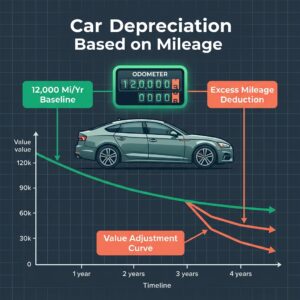
When you have positive equity, the buyer’s payment is typically split: the lender receives the payoff amount, and you receive a check for the remaining proceeds. In a negative equity situation, you are responsible for paying the difference to the lender out of pocket to clear the title. Understanding these figures early allows you to make an informed decision about whether to sell now or wait until the loan balance drops further. We always provide a detailed breakdown of these numbers so you can see exactly how your vehicle’s condition and mileage are influencing the final offer.
Q: Can I trade in my car if I still owe money on it?
“The most important thing for a seller to remember is that a loan balance doesn’t stop a sale; it just changes the steps we take to get you into your next vehicle.”
A: Trading in a financed vehicle is actually one of the most common ways our customers upgrade their ride. When you bring a car to us that still has an active auto loan, we treat the trade-in value as a credit toward your new purchase. If your car is worth $15,000 and you owe $10,000, that $5,000 in positive equity becomes your down payment. This is often much simpler than a private sale because the dealership takes over the responsibility of paying off your old lienholder and securing the lien release documentation from the bank.
For those who are underwater, the trade-in process is still a viable path, though it requires a bit more financial planning. If you owe more than the trade offer, that negative equity must be addressed to clear the title. You can choose to pay that difference upfront, or in many cases, we can help you restructure the deal. We enjoy sharing insights on these market dynamics and financial strategies through our automotive blog, where we cover everything from value retention to the latest safety features that help vehicles maintain a higher book value over time.
One major advantage of trading in at a licensed center is the speed of the transaction. In a private sale, you might wait weeks for the lender to mail the title to the new owner, which can lead to disputes. When you trade with us, we handle the title transfer electronically or through established dealer channels, which significantly reduces the time it takes to finalize the lien satisfaction. This allows you to drive home in your new vehicle the same day, knowing the paperwork for your old loan is being handled by professionals who understand the local regulations in Youngstown and the surrounding areas.
Q: Can I roll negative equity into a new car loan?
A: Yes, rolling negative equity into a new auto loan is a standard practice, though it is something we always discuss carefully with our customers. Essentially, the lender for your new vehicle agrees to pay off the negative equity on your old car and add that amount to the principal of your new loan. This allows you to consolidate both debts into a single monthly payment, which can be a huge help for families who need a more reliable vehicle immediately but don’t have the cash on hand to pay off an upside down loan balance.
It is important to realize that this will increase the total amount you are financing, which can lead to higher monthly payments and more interest paid over the life of the loan. I always recommend looking for a new vehicle with strong incentives or a lower MSRP to help offset the added balance. If you have questions about how this might affect your specific budget, we have a wealth of information available in our frequently asked questions section that covers the nuances of financing and credit applications for various equity scenarios.
We find that many commuters in the region choose this route when their current vehicle no longer fits their lifestyle—perhaps they need more cargo space for a growing family or better fuel efficiency for a long daily drive. By rolling the equity, they can secure a certified pre-owned vehicle with a fresh warranty, providing long-term reliability that justifies the temporary increase in the loan balance. Our team is here to run the numbers with you, ensuring that the new loan remains within a comfortable range for your household income.
Q: What happens to the lien on my title when the loan is paid off?
A: Once the final payment reaches your lender and is processed, the lienholder will officially release their legal interest in the vehicle. This is a critical step because, until that lien release is recorded, the title is not “clear,” and ownership cannot be legally transferred to a new party. If you are selling the car yourself, the lender will typically mail the title to you or directly to the new owner, a process that usually takes about 10 to 15 business days depending on the bank’s internal procedures and state mailing times.
If you have recently finished your payments and are planning to sell, I always suggest verifying that the lien has been cleared with the state. Sometimes there is a lag between the final payment and the updated records. If you are in a hurry to sell and need to know the status of a specific title, you can reach out to our team for guidance. We deal with various lenders every day and can often help clarify what documentation you need to prove the debt has been satisfied, especially if you are working with a smaller local credit union or an out-of-state bank.
When we buy a car at Ken Ganley Buying Center Boardman, we take over the task of tracking that lien release. We send the payoff amount via secure channels and follow up to ensure the title is reassigned correctly. This protects you from any future liability and ensures the loan is closed out properly on your credit report. Having that written confirmation that the lien is satisfied is the final piece of the puzzle, allowing the new owner to register the car and receive a fresh title in their name.
Q: What steps should I take to prepare my financed car for sale or trade-in?
A: Preparation is the best way to ensure you get the highest possible trade-in value and a smooth transaction. First, you should gather all your documentation, including your current loan account number and the contact information for your lender. Having your payoff information ready allows us to give you a concrete net offer much faster. It is also a great idea to collect all sets of keys, the owner’s manual, and any service records you have maintained, as these items prove the vehicle was well cared for and can actually increase the offer you receive.
Beyond the paperwork, a clean car always makes a better impression. You don’t need a professional detail, but washing the exterior and vacuuming the cargo area shows the vehicle in its best light. We also recommend removing all personal items and clearing out any integrated tech, like saved navigation addresses or paired phones. If you are ready to move forward, you can find our address on Market St to bring your vehicle in for a physical appraisal, or you can give us a quick call to discuss your mileage and condition over the phone.
Finally, be prepared to sign an odometer disclosure and a bill of sale. These documents are required by the state to finalize the transfer of ownership. By having your payoff amount and your photo ID ready to go, you can often complete the entire sale in under an hour. Whether you are coming from Downtown Youngstown or making the drive from Moon Township, our goal is to provide a transparent, supportive environment where you can sell your financed car with total confidence and move on to your next adventure.
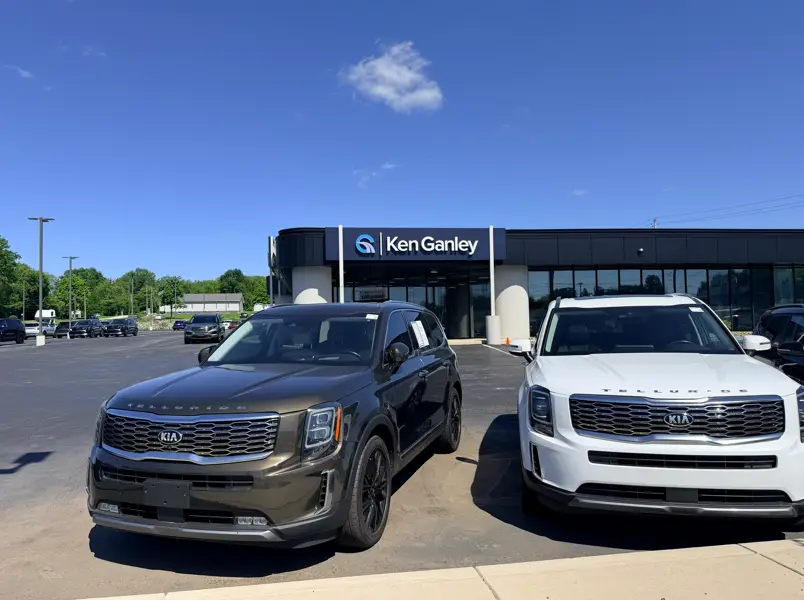
Selling a car with an existing loan doesn’t have to be a stressful experience. As our expert has explained, understanding your equity position and having the right documentation in place are the primary keys to a successful transaction. At Ken Ganley Buying Center Boardman, we are committed to providing Boardman families with the transparency and professional support needed to navigate lien releases and loan payoffs efficiently. If you are ready to see what your vehicle is worth or want to discuss how to handle negative equity, our team is standing by to help. Visit us today to experience a straightforward, community-focused approach to selling your car, regardless of your current loan balance.
While every effort has been made to ensure the accuracy of the information displayed on this website, the vehicle values, offers, and listings shown may not reflect all accurate vehicle details or current market conditions. Vehicle photos may be representative only and may not match the actual vehicle. All offers, appraisals, and transactions are subject to vehicle inspection, verification, and prior sale. Final purchase amounts may vary based on condition, equipment, history, and market factors. Please contact the Dealership for complete details and confirmation.