
How to Ensure You Are Getting the Best Deal When Selling Your Car

Maximizing the value when selling a car requires thorough market research using local sales data, obtaining multiple competitive offers, and ensuring the vehicle is well-maintained with complete service records. Understanding the differences between selling methods, such as private sales versus selling to buying centers, can streamline the process and avoid hidden costs. Knowledge and preparation are key to securing the best deal without relying on a single valuation source.
How Do You Sell a Car to Ken Ganley Buying Center?

Ken Ganley Buying Center offers a fast, transparent process for selling vehicles, involving a thorough physical inspection, market-based cash offer, and same-day payment. Sellers need only valid ID, title or loan info, and keys to complete the sale, with no requirement to purchase a car from the dealer. The entire transaction typically takes 30 to 60 minutes, with options for walk-ins or scheduled appraisals to streamline the experience.
The Realities of Selling a Vehicle Privately: Insights From Customer Relations Manager Andrew Wilding
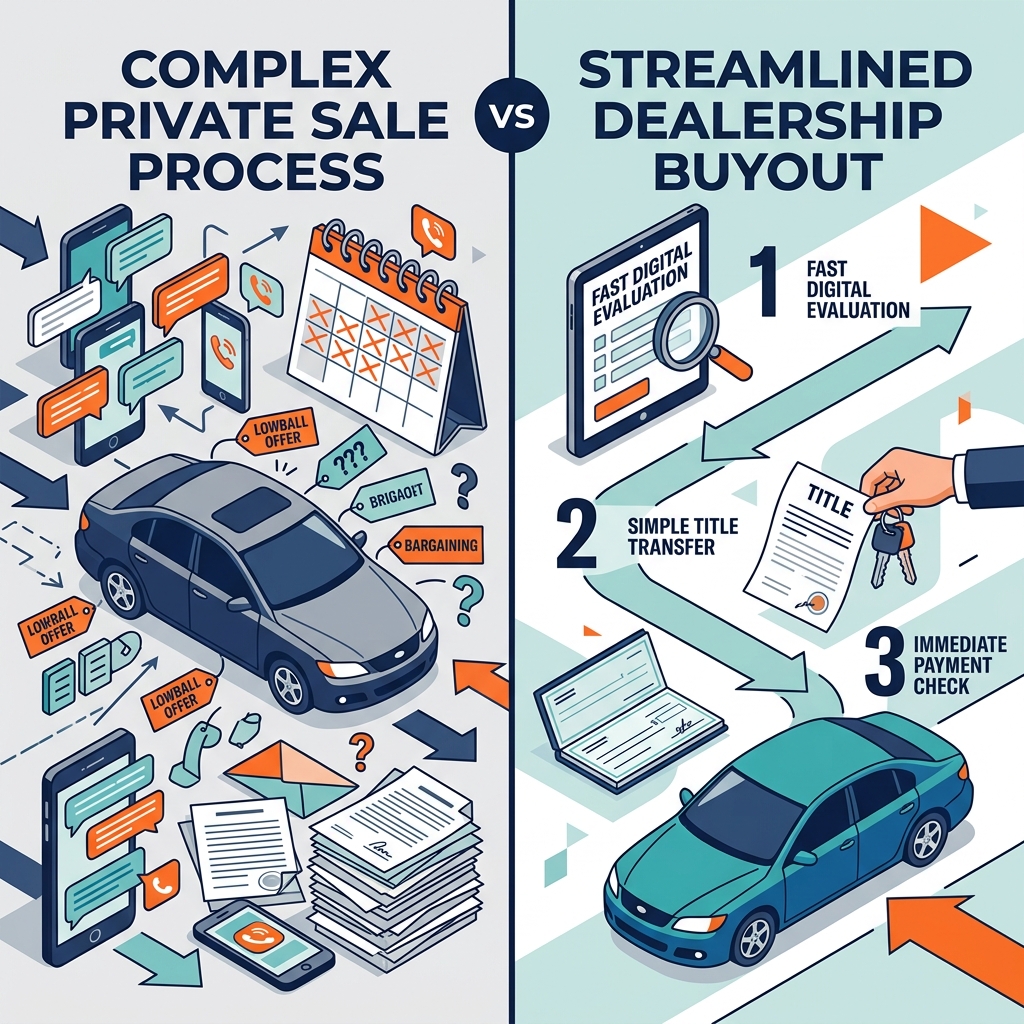
Selling a car privately involves significant time, effort, and risk, including marketing challenges, negotiation complexities, fraud concerns, and legal paperwork hurdles, which contrast with the streamlined process offered by dealerships. After 14 years in customer relations, the author highlights how professional buying centers in Boardman simplify transactions by providing quick cash offers and handling title transfers, saving sellers weeks of hassle and uncertainty.
When Does Keeping an Old Car Become Too Expensive?
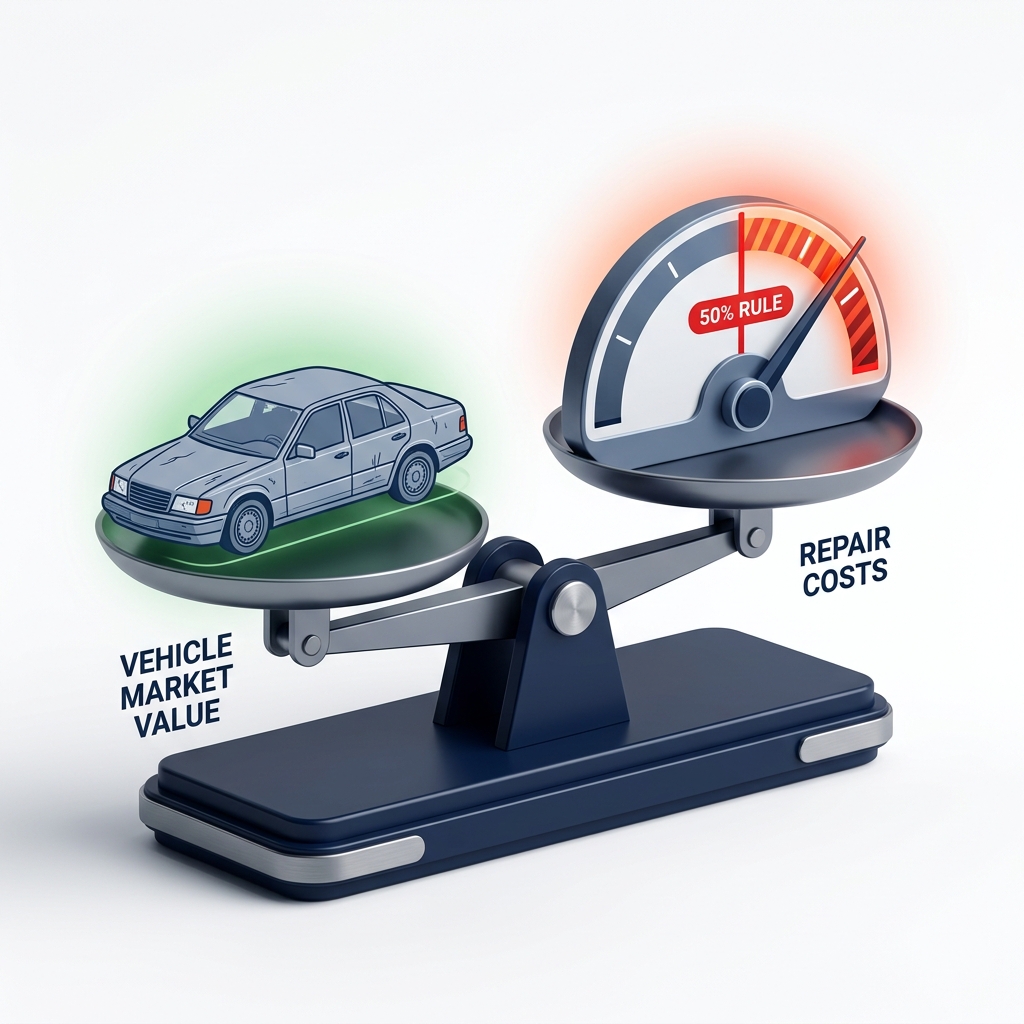
Keeping an old car becomes too expensive when annual repair and maintenance costs near or exceed the vehicle’s market value, especially if large repairs are needed repeatedly. Selling before major component failures or costly service intervals can help maximize cash return and avoid unexpected expenses. Using guidelines like the 50 percent rule can guide owners in deciding when it’s financially smarter to sell rather than repair.
Selling a Non-Running Car in Ohio: Paperwork, Valuation, and Process Q&A
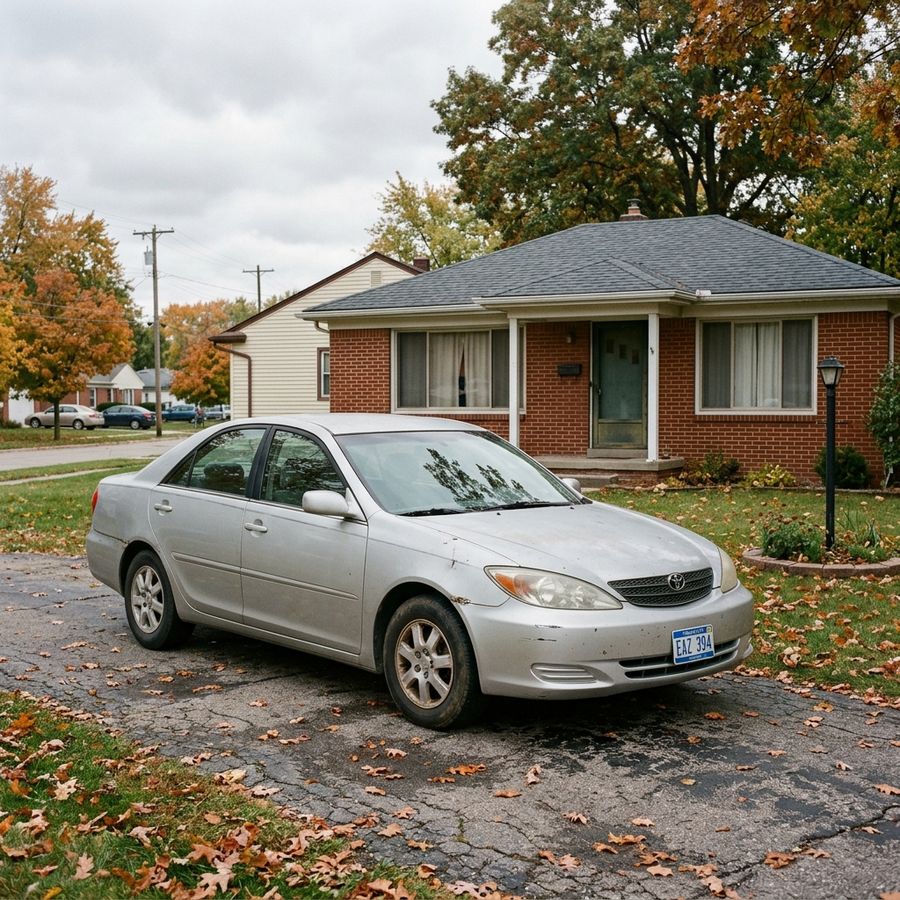
Selling a non-running car in Ohio requires a valid, notarized certificate of title with a fully completed seller assignment, as a bill of sale alone does not transfer ownership. Owners can sell immobile vehicles as-is to professional buyers without costly repairs, with valuations based on structural condition and usable components rather than weight alone. Local buying centers streamline the process by handling inspections, paperwork, and vehicle removal.
What Are the Main Risks of Selling a Car Privately?

Private car sales carry risks of payment fraud through fake checks and deceptive electronic transfers, as well as safety concerns during test drives and legal liabilities if title transfer requirements are not properly completed. Sellers may face financial loss, personal danger, and ongoing legal responsibility for the vehicle unless the sale process is handled securely and correctly.