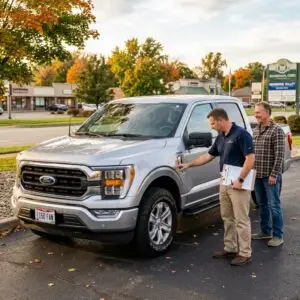
Preparing your car for fall weather requires testing your battery, adjusting tire pressure for dropping temperatures, replacing worn wiper blades, filling washer fluid with a freeze-resistant mix, inspecting brake components, and testing your climate control defrosters. Performing these essential checks in early autumn ensures proper traction, clear road visibility, and reliable engine starts as cooler temperatures and wet foliage change daily driving conditions.
Autumn brings rapid environmental changes that place unique demands on your automobile. As morning frost settles and fallen leaves make asphalt slick, key mechanical systems must operate at peak efficiency. Inspecting vital fluids—including engine oil, engine coolant, and brake fluid—helps prevent unexpected vehicle breakdowns during early seasonal cold snaps. Taking time to review vehicle components before severe weather arrives protects your investment and maintains daily reliability.
When drivers stop by to discuss vehicle longevity and seasonal care, our team at Ken Ganley Buying Center Boardman always emphasizes practical preparation. If you are reviewing your vehicle’s condition or considering an upgrade to a late-model pre-owned vehicle, you can visit our convenience location on Market Street or give our staff a quick call to discuss your options.
Table of Contents
- What Should Be Included in a Fall Car Maintenance Checklist?
- When Is the Best Time in Fall to Complete Vehicle Maintenance?
- How Does Cold Weather Impact Tire Pressure, Tread Depth, and Sidewall Safety?
- How Do You Inspect Your Heater, Defrosters, Brakes, and Emergency Kit?
- Frequently Asked Questions About Fall Seasonal Vehicle Care
- Final Checklist for Fall Driving Safety and Vehicle Care in Boardman Township
What Should Be Included in a Fall Car Maintenance Checklist?
A comprehensive fall car maintenance checklist must include a professional 12-volt battery test, a tire pressure and tread depth evaluation, a complete wiper blade and washer fluid check, an inspection of brake pads and rotors, and a review of engine oil and cabin air filter intervals. Addressing every point on this checklist guarantees your vehicle remains safe, efficient, and comfortable through autumn driving conditions.
Systematic inspections help prevent minor component wear from escalating into severe mechanical trouble. According to AAA, vehicle batteries over three years old should be tested before winter, as lower ambient temperatures significantly reduce battery cranking capacity. Ensuring electrical terminals are clean and free of corrosion prevents sudden starting failures on cold mornings.
Key items to cover in your autumn maintenance review include:
- Battery Health: Test voltage and cold cranking amps, inspect cable connections, and clean terminal corrosion.
- Tire Condition: Set inflation to the door-jamb specification and confirm tread measures at least 4/32 of an inch for wet traction.
- Brake System: Check pad thickness, rotor surface integrity, caliper movement, and brake fluid quality.
- Wiper Blades & Washer Fluid: Replace cracked rubber blades and refill the reservoir with a winter-grade fluid formula.
- Engine Oil & Coolant: Change oil according to manufacturer guidelines and verify coolant freeze protection levels.
- Cabin Air Filter: Replace dirty filters to maintain heater blower output and ensure fast windshield defrosting.
Major factory maintenance schedules, such as Ford Scheduled Maintenance guidelines, recommend replacing the cabin air filter every 15,000 to 20,000 miles to maintain interior air quality and proper defroster airflow. Likewise, standard engine oil replacement intervals commonly land at 7,500 miles or 12 months under normal driving conditions, though severe driving habits require shorter intervals. Keeping these critical items updated preserves long-term fuel economy and vehicle dependability.
When Is the Best Time in Fall to Complete Vehicle Maintenance?
The ideal time to complete fall vehicle maintenance is during early autumn, specifically from late September through October, before ambient temperatures consistently fall below freezing. Scheduling maintenance checks during this timeframe allows you to correct minor mechanical issues before frost, heavy rain, and early snowfall impact road conditions.
Waiting until the first major freeze often leads to sudden component failures, such as a dead battery or inadequate tire traction on icy pavement. Early autumn maintenance gives vehicle owners ample time to identify worn tires, schedule necessary repairs with a trusted local mechanic, or decide if trading in their current vehicle makes financial sense before winter weather sets in.
Proactive care during moderate autumn weather also simplifies routine checks. Testing your vehicle heating system and defroster controls while weather is mild ensures any faulty blend door actuators, blower motors, or clogged heater cores are repaired well before cold morning commutes begin.
How Does Cold Weather Impact Tire Pressure, Tread Depth, and Sidewall Safety?
Cold weather causes air inside your tires to contract, reducing inflation pressure by approximately 1 psi for every 10°F drop in outside temperature. Maintaining correct inflation pressure, adequate tread depth, and damage-free sidewalls is essential for maintaining vehicle stability, braking performance, and fuel efficiency on wet, foliage-covered roads.
According to NHTSA tire safety standards, proper tire inflation must be checked monthly using the recommended pressure numbers listed on the driver-side door jamb placard rather than the maximum pressure stamped on the tire sidewall. Under-inflated tires increase rolling resistance, degrade handling, and cause uneven tread wear along the outer shoulders.
Tread depth is equally critical during autumn weather transitions. While federal guidelines recognize 2/32 of an inch as the legal minimum tread depth, industry safety recommendations from AAA advise maintaining at least 4/32 of an inch of tread to disperse standing water and slush effectively. Drivers traveling rural stretches near Canfield encounter agricultural runoff and wet leaf accumulation, where adequate tread depth prevents hazardous hydroplaning.
Inspect your tire sidewalls thoroughly for physical defects. Look for:
- Small cracks or weather checking caused by temperature fluctuations and age.
- Bulges or bubbles indicating internal cords or structural plies have compromised strength.
- Scuffs or deep cuts from curb impacts that could lead to sudden pressure loss.
If inspection reveals severe sidewall cracking or tread wear down to the wear indicators, replacing the set is necessary for seasonal safety.
How Do You Inspect Your Heater, Defrosters, Brakes, and Emergency Kit?
Inspect your vehicle heating and defrosting system by setting the HVAC controls to maximum heat and engaging front and rear defroster settings to verify warm airflow across all cabin vents and proper A/C compressor dehumidification. Pair this system check with a thorough brake inspection and a fully restocked emergency kit to ensure comprehensive seasonal readiness.
To inspect the climate control system properly, allow the engine to reach normal operating temperature. Turn the temperature dial to high and switch through floor, dash, and defrost modes. The A/C compressor should automatically cycle when defrosters are selected, as it strips moisture from incoming air to clear fogged glass rapidly. If air stays lukewarm or glass remains hazy, a technician may need to check coolant level, heater core circulation, or cabin air filter restriction.
Brake component checks require evaluating pad thickness, rotor surfaces, and hydraulic fluid. Factory maintenance procedures call for periodic checks of brake pads, calipers, rotors, and lines rather than waiting for squealing hardware or reduced stopping power. Thin pads or grooved rotors severely compromise stopping distances on damp autumn asphalt.
A well-equipped fall emergency kit should always include:
- A durable ice scraper and snow brush combination.
- Heavy-duty jumper cables or a portable lithium jump-pack.
- Thermal blankets and warm emergency clothing.
- A high-lumen flashlight with extra batteries.
- A digital tire pressure gauge and mechanical tread depth tool.
- A stocked first aid kit, non-perishable food, and bottled water.
Frequently Asked Questions About Fall Seasonal Vehicle Care
How often should wiper blades be replaced for autumn driving?
Windshield wiper blades should generally be replaced every six to twelve months, or as soon as you notice streaking, chattering, or missed spots on the glass. Natural rubber blades degrade over time due to ultraviolet light exposure and ozone. Installing fresh wiper blades during early autumn ensures clear visibility during heavy seasonal rain and early morning frost. You can explore more ownership guidance by checking our online answers page.
Why does the tire pressure warning light come on during cold autumn mornings?
The tire pressure monitoring system light often turns on during cold mornings because low ambient temperatures cause air density inside the tire to decrease and overall pressure to drop. Because pressure decreases by roughly 1 psi for every 10°F drop in temperature, a sharp overnight temperature dip can push tire pressure below the system threshold. Checking and adjusting tire pressure when tires are cold resolves the warning light.
Is engine coolant replacement necessary every fall season?
Full engine coolant replacement is not necessary every fall, but testing the fluid’s freezing protection and pH balance is essential. Modern long-life coolants are designed to last several years or extended mileage intervals, yet testing the protection level with a refractometer or test strip verifies the mixture can withstand freezing winter temperatures without expanding and damaging the engine block or radiator.
What causes a vehicle heater to blow cold air in the fall?
A vehicle heater blowing cold air is typically caused by a low engine coolant level, a stuck-open thermostat, a clogged heater core, or a malfunctioning HVAC blend door actuator. Low coolant prevents hot fluid from circulating through the heater core inside the dashboard. Checking coolant levels in the overflow reservoir is the simplest first step to diagnosing poor heater output.
Should I change my oil before winter even if I haven’t reached the mileage limit?
Changing your engine oil in the fall is advisable if the oil has been in the engine for close to 12 months, even if you have not hit the mileage threshold. Over time, engine oil accumulates moisture, unburned fuel, and combustion byproducts. Fresh oil provides optimal lubrication during cold engine starts, protecting internal engine components from premature wear during low-temperature operation.
Final Checklist for Fall Driving Safety and Vehicle Care in Boardman Township
Completing seasonal vehicle maintenance ensures your car remains dependable, safe, and efficient through every autumn drive. Taking time to inspect your battery, monitor tire pressure, verify brake performance, and maintain proper engine fluids protects your automotive investment and provides peace of mind on the road.
For commuters driving daily along Route 224 past Boardman Plaza, having a reliable vehicle is essential for smooth seasonal travel. If your maintenance inspection reveals that your current car requires extensive repairs, or if your family needs a vehicle equipped with advanced safety technology like lane-keeping assist or all-wheel drive for upcoming winter weather, our team is here to assist.
At Ken Ganley Buying Center Boardman, we buy clean pre-owned vehicles of any make or model and offer a transparent, hassle-free selling or trade-in experience. To evaluate your vehicle’s current market value or speak with our knowledgeable team, visit our Boardman location or contact our staff directly by calling (330) 427-3656 today.
© 2026 Ken Ganley Buying Center Boardman. All rights reserved.
While every effort has been made to ensure the accuracy of the information displayed on this website, the vehicle values, offers, and listings shown may not reflect all accurate vehicle details or current market conditions. Vehicle photos may be representative only and may not match the actual vehicle. All offers, appraisals, and transactions are subject to vehicle inspection, verification, and prior sale. Final purchase amounts may vary based on condition, equipment, history, and market factors. Please contact the Dealership for complete details and confirmation.